RD-UVS100 Laser Slide Printer | Roundfin

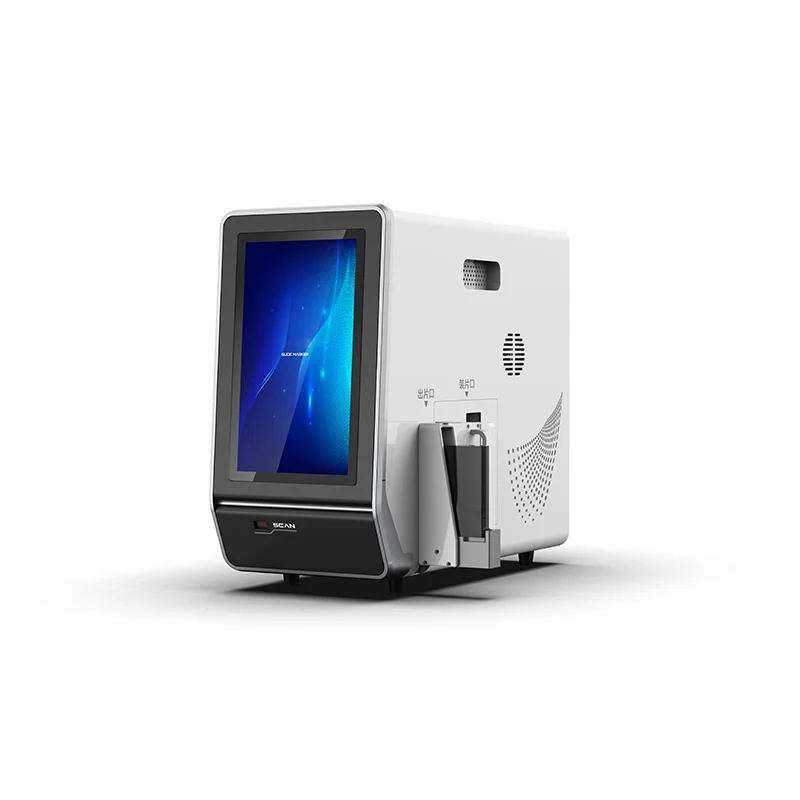
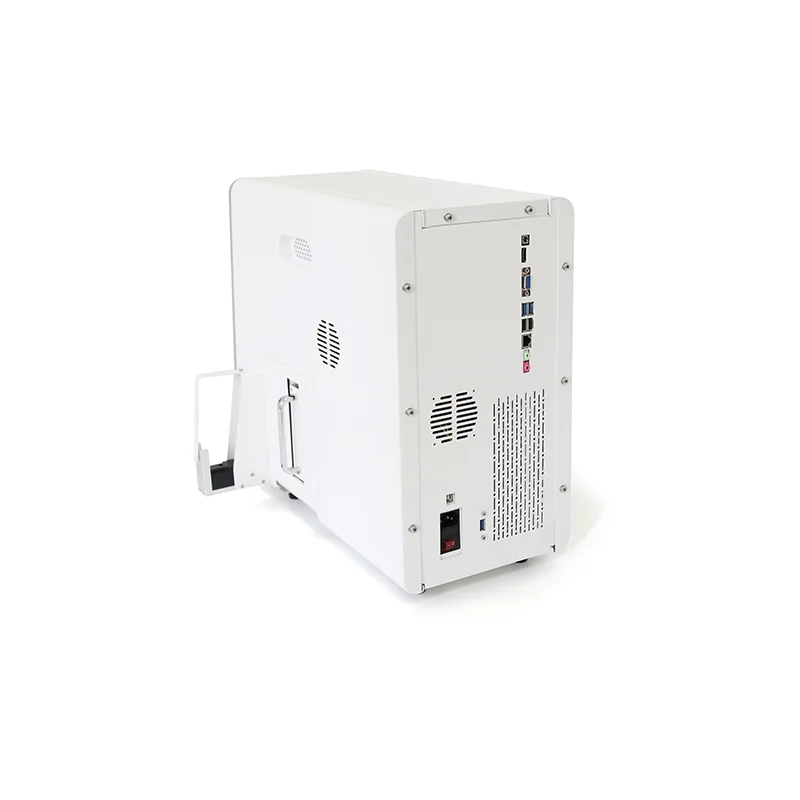
1. High-Speed Printing: Prints each slide in just 3–5 seconds, significantly improving laboratory efficiency
2. Non-Contact UV Laser Technology: Prevents sample damage while delivering clear, durable printing
3. High Printing Resolution: 2500 dpi ensures precise labeling for demanding pathology applications
4. Seamless Integration: Fully compatible with LIS/HIS systems; supports both built-in and external barcode scanners
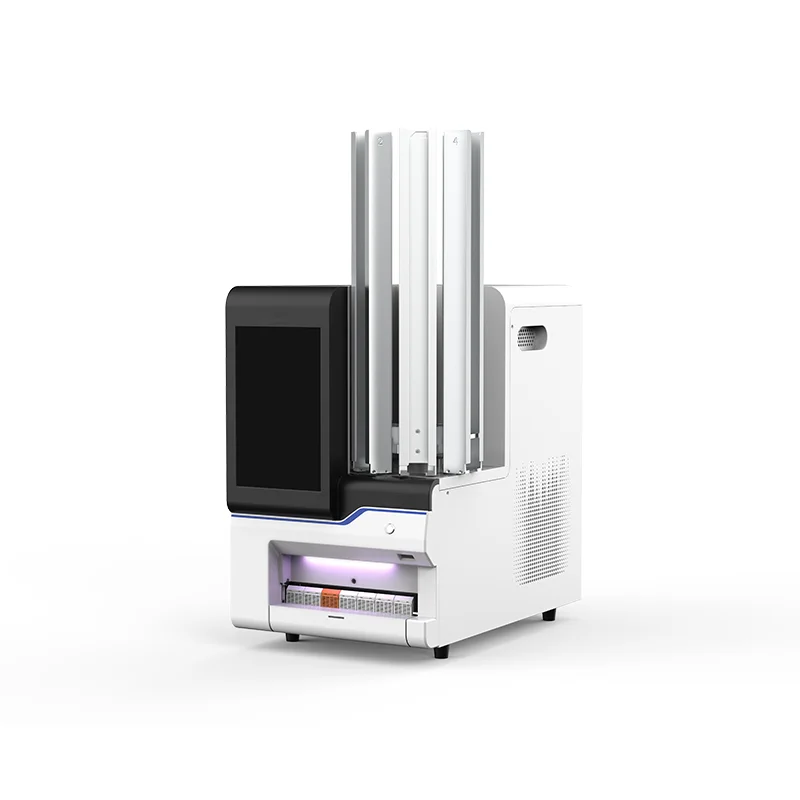
5. Large Capacity: Loading hopper and collection bin each hold up to 100 slides for batch processing
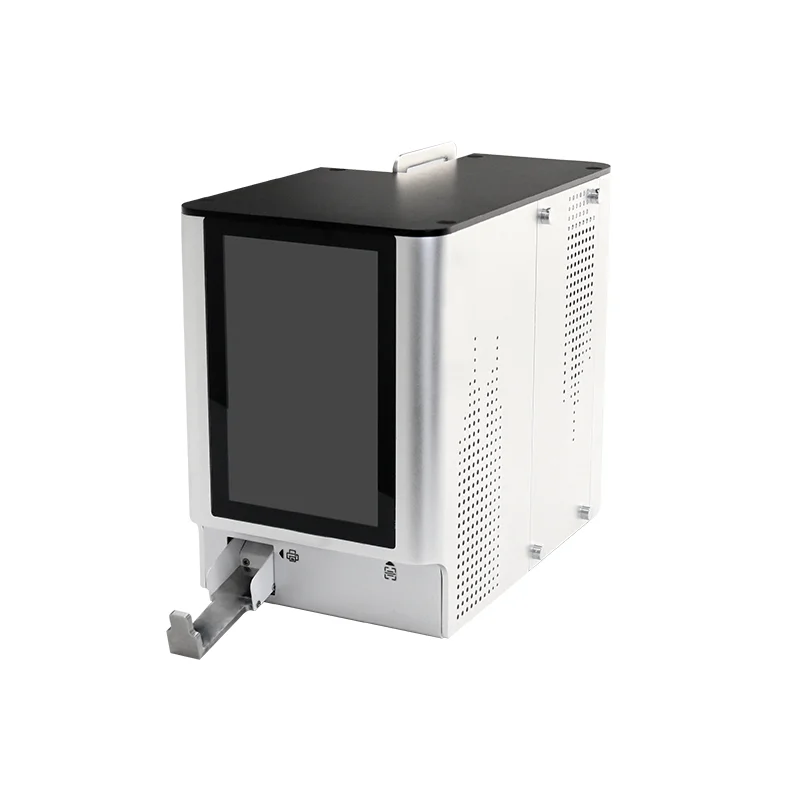
6. User-Friendly Operation: 11-inch LED touchscreen with built-in software; also supports external PC connection
Product Overview
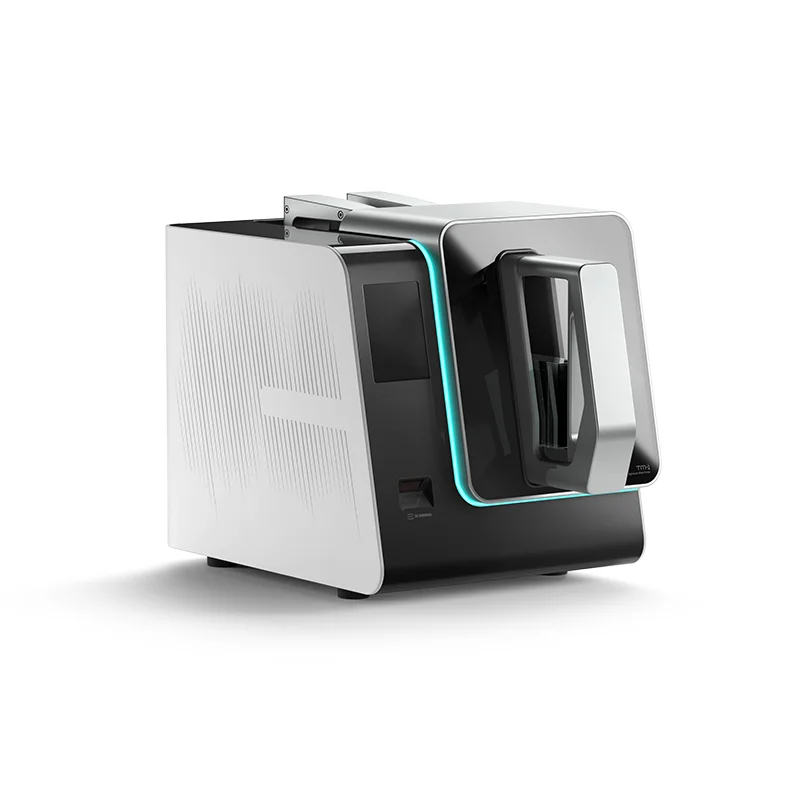
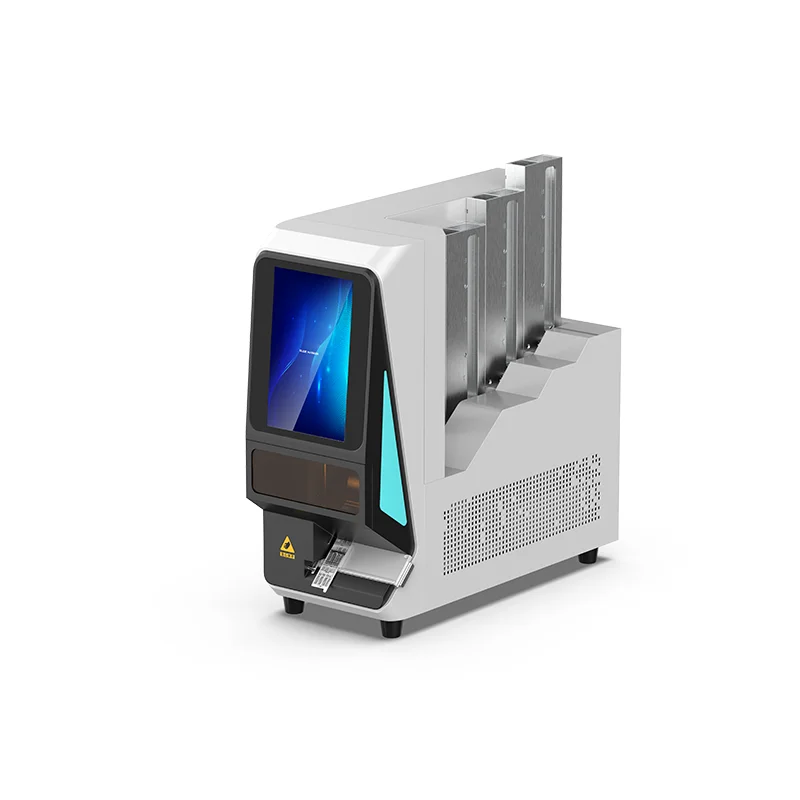
The Roundfin RD-UVS100 Laser Slide Printer is a professional-grade laser slide printer designed for high-throughput pathology and histology laboratories. Built with precision and reliability in mind, it delivers consistent, high-quality printing to streamline laboratory workflow and sample traceability.
Key Specifications at a Glance
Type: Slide Printer | Technology: UV Laser | LIS/HIS compatible
Technical Specifications
| Feature | Detail |
|---|---|
| Model No. | RD-UVS100 |
| Slide Compatibility | Color frosted slides |
| Loading Hopper Capacity | 100 slides |
| Collection Bin Capacity | 100 slides |
| Printing Speed | 3 – 5 seconds per slide |
| Printing Resolution | 2500 dpi |
| Printing Technology | Non-contact UV laser |
| Display | 11-inch LED touchscreen |
| Connectivity | LIS/HIS compatible | Built-in barcode scanner | Supports external scanner & PC |
| Air Purification | Built-in air purification system |
| Power Requirement | 100 – 240 V AC, 50/60 Hz, 300 W |
| Dimensions (L×W×H) | 490 mm × 230 mm × 435 mm |
| Weight | 22 kg |
| Safety Standards | 2014/35/EU (LVD) | 2014/30/EU (EMC) | 2011/65/EU (RoHS) |
| Intended Use | Microscope slide printing for pathology, histology, cytology, toxicology labs |
| Professional Use | For qualified medical & technical staff only |
| Warranty | 1 year |
| Storage Condition | Dry, cool place |
Key Features
- High-Speed Printing: Prints each slide in just 3 – 5 seconds, significantly improving laboratory efficiency
- Non-Contact UV Laser Technology: Prevents sample damage while delivering clear, durable printing
- High Printing Resolution: 2500 dpi ensures precise labeling for demanding pathology applications
- Seamless Integration: Fully compatible with LIS/HIS systems; supports both built-in and external barcode scanners
- Large Capacity: Loading hopper and collection bin each hold up to 100 slides for batch processing
- User-Friendly Operation: 11-inch LED touchscreen with built-in software; also supports external PC connection
Applications
- Identification of tissue cassettes or microscope slides in pathology laboratories
- Specimen traceability workflows in histology and clinical laboratories
- Research facilities standardizing sample labels and laboratory records
- Laboratories selecting printing technology for their cassette, slide and data workflow
Frequently Asked Questions
What slide types are compatible with the RD-UVS100?
The RD-UVS100 is designed for color-frosted microscope slides used in pathology, histology, cytology, and laboratory diagnostics. The non-contact UV laser produces permanent markings on the frosted area without affecting the optical quality of the specimen viewing area. The loading hopper holds 100 slides for continuous batch operation.
What are the advantages of UV laser printing over thermal transfer?
UV laser printing offers several advantages: no consumable ribbons to replace (reducing ongoing operating costs), 2500 dpi high-resolution printing for clear barcode readability, non-contact technology (no print head wear), and chemical-resistant permanent markings that withstand xylene, ethanol, and staining reagents throughout the entire histology workflow.
How fast is the RD-UVS100?
The RD-UVS100 prints at approximately 3–5 seconds per slide, with a 100-slide loading hopper and a 100-slide collection bin for unattended batch operation. The 11-inch LED touchscreen provides intuitive control for print settings, barcode configuration, and LIS/HIS data import.
Is the built-in air purification system necessary?
The built-in air purification system filters any particulates or emissions generated during the UV laser printing process, ensuring a clean laboratory environment. While not strictly required for the printer to operate, it is recommended — especially in enclosed histology workspaces — to maintain air quality standards and operator comfort during extended printing sessions.
Explore related cassette and slide printers or contact Roundfin for configuration, compatibility and quotation details.