RD-T10 Thermal Transfer Ribbon Slide Printer | Roundfin

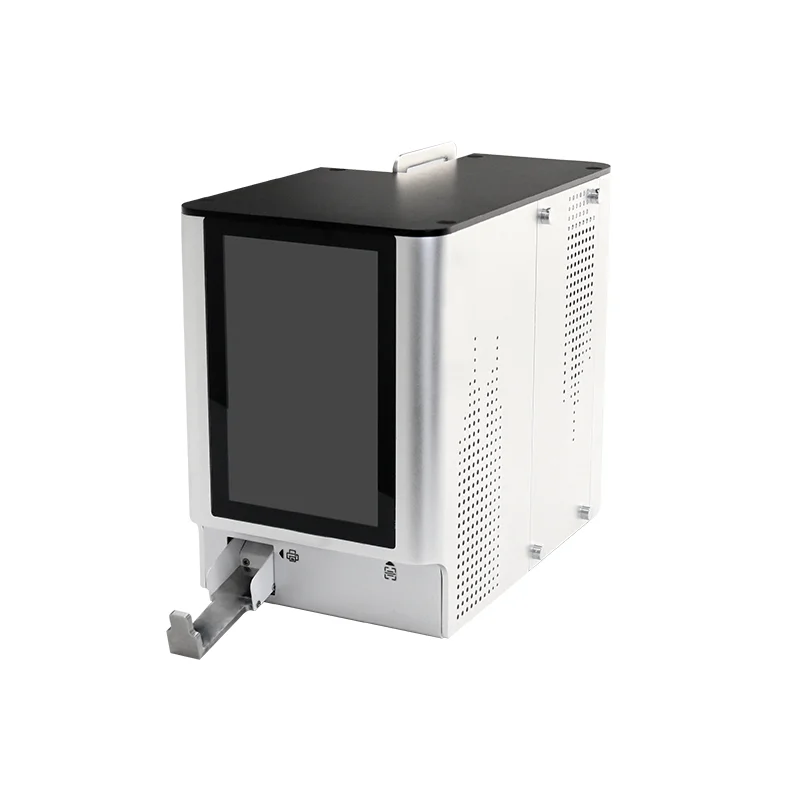
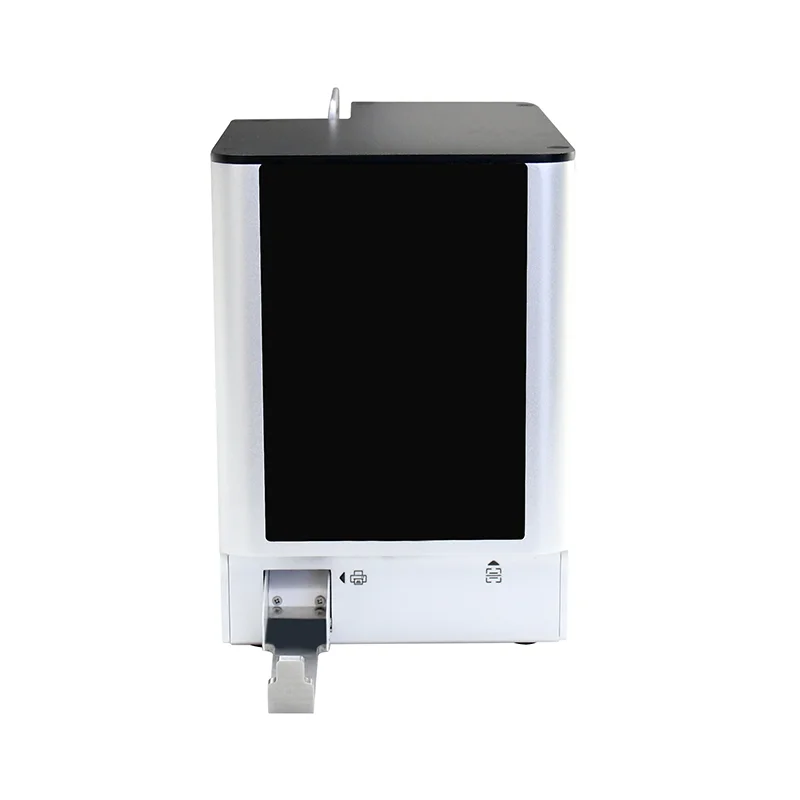
1. Print-on-demand functionality: Print slides individually as needed, reducing waste and improving workflow flexibility.
2. Reliable thermal transfer technology: Delivers consistent, high-quality printing on microscope slides.
3. Efficient printing speed: 6–6.5 seconds per slide – ideal for routine laboratory workflows.
4. Large loading capacity: Single hopper holds up to 150 slides, minimizing reloading frequency.
5. Compact and lightweight: Dimensions 329×163×247 mm and only 10 kg – fits easily in tight lab spaces.
6. Ultra-low power consumption: Operates at just 50W, significantly reducing energy costs.
Product Overview
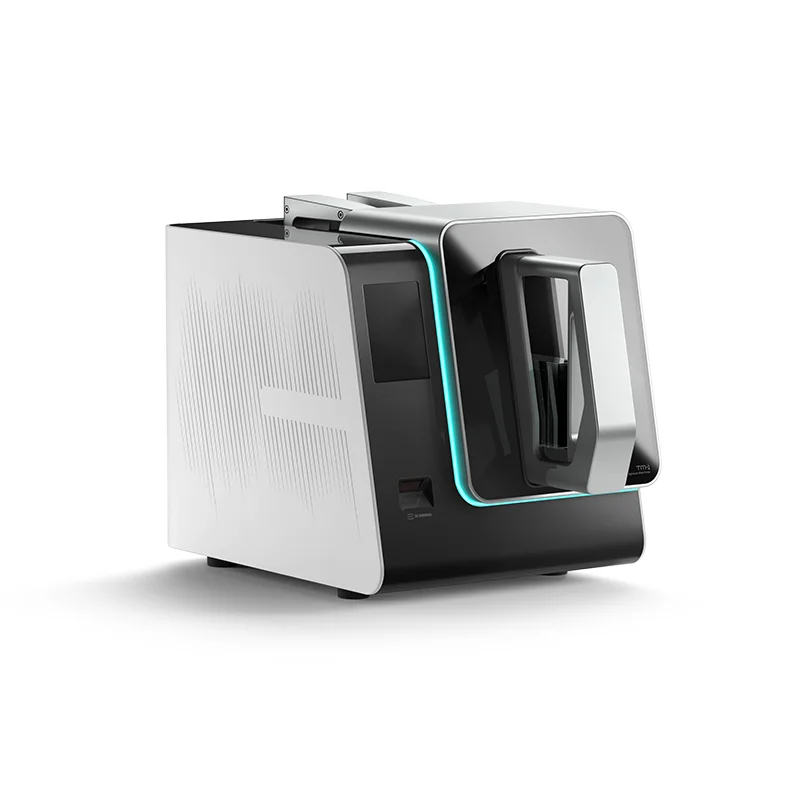
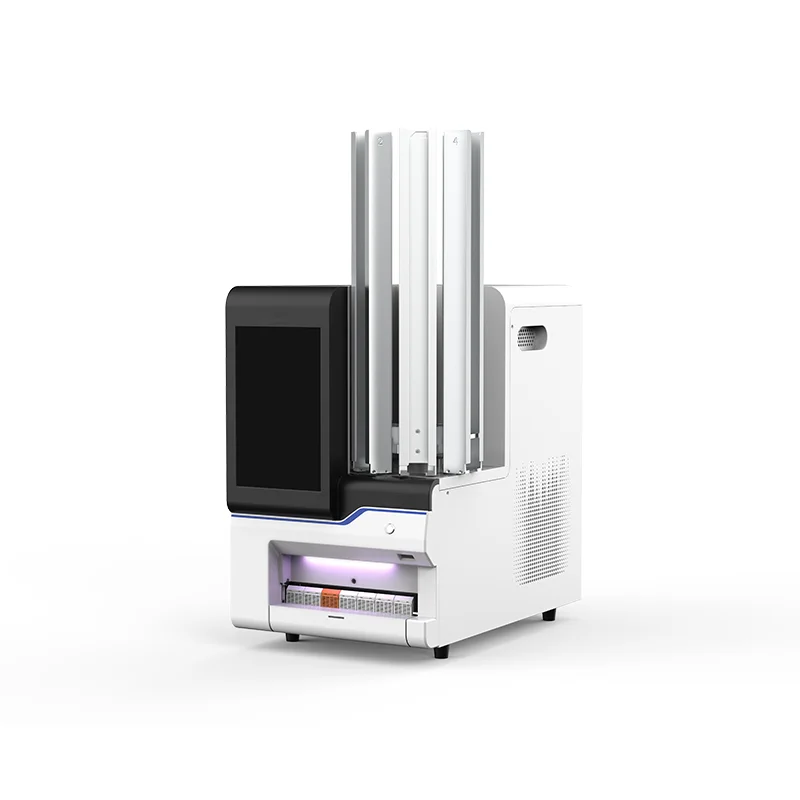
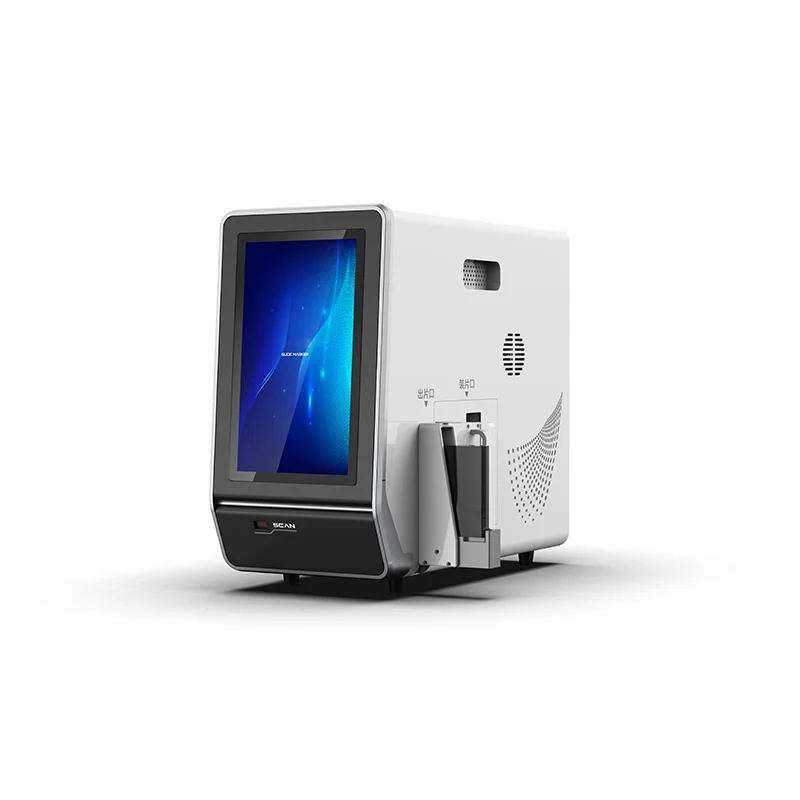
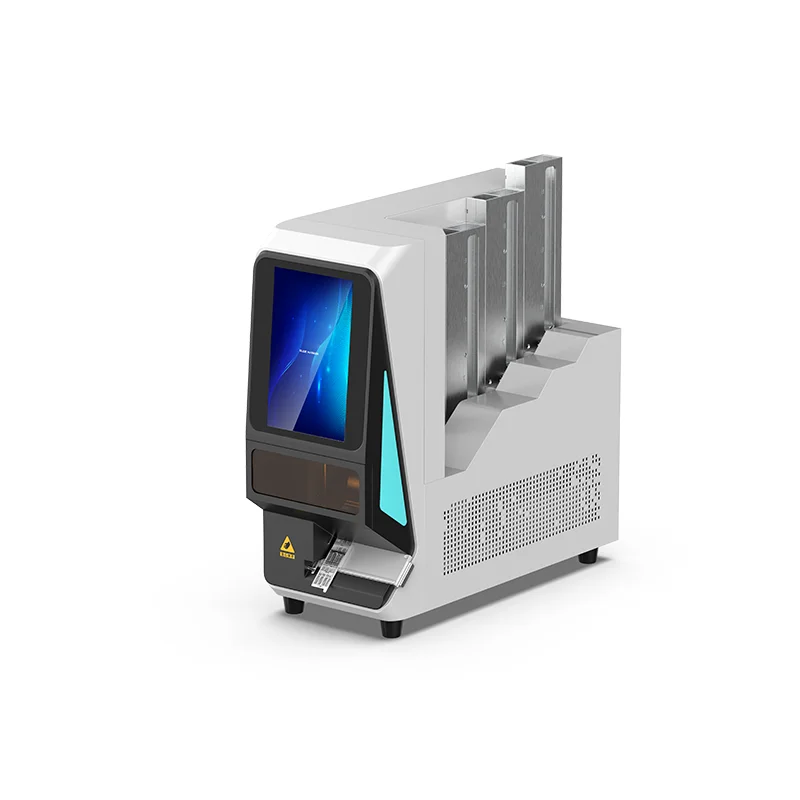
The Roundfin RD-T10 Thermal Transfer Ribbon Slide Printer is a professional-grade thermal transfer ribbon slide printer designed for high-throughput pathology and histology laboratories. Built with precision and reliability in mind, it delivers consistent, high-quality printing to streamline laboratory workflow and sample traceability.
Key Specifications at a Glance
Type: Slide Printer | Technology: Thermal Transfer Ribbon | LIS/HIS compatible
Technical Specifications
| Feature | Detail |
|---|---|
| Model No. | RD-T10 |
| Printing Mode | Print on demand |
| Printing Technology | Thermal transfer ribbon |
| Slide Compatibility | Standard microscope slides |
| Loading Hopper Capacity | 150 slides |
| Collection Bin Capacity | 10 slides |
| Printing Speed | 6 – 6.5 seconds per slide |
| Printing Resolution | 300 dpi |
| Display & Control | Built-in computer with 7-inch touchscreen |
| External PC Requirement | Not required (standalone operation) |
| OS Compatibility | Windows 7 / 10 / 11 |
| LIS/HIS Integration | Fully compatible |
| Barcode Scanner | Built-in |
| Power Requirement | 100 – 240 V AC, 50/60 Hz, 50 W |
| Dimensions (L×W×H) | 329 mm × 163 mm × 247 mm |
| Weight | 10 kg |
| Safety Standards | Compliant with 2014/35/EU (LVD), 2014/30/EU (EMC) |
| Intended Use | Printing microscope slides for pathology, histology, cytology, toxicology labs |
| Professional Use | For qualified medical & technical staff only |
| Warranty Period | 1 year |
| Storage Condition | Dry, cool place |
Key Features
- Print-on-demand functionality: Print slides individually as needed, reducing waste and improving workflow flexibility.
- Reliable thermal transfer technology: Delivers consistent, high-quality printing on microscope slides.
- Efficient printing speed: 6 – 6.5 seconds per slide – ideal for routine laboratory workflows.
- Large loading capacity: Single hopper holds up to 150 slides, minimizing reloading frequency.
- Compact and lightweight: Dimensions 329 × 163 × 247 mm and only 10 kg – fits easily in tight lab spaces.
- Ultra-low power consumption: Operates at just 50 W, significantly reducing energy costs.
Applications
- Identification of tissue cassettes or microscope slides in pathology laboratories
- Specimen traceability workflows in histology and clinical laboratories
- Research facilities standardizing sample labels and laboratory records
- Laboratories selecting printing technology for their cassette, slide and data workflow
Product Video
Frequently Asked Questions
What slide types are compatible with the RD-T10?
The RD-T10 is compatible with standard microscope slides with frosted ends, commonly used in pathology, histology, cytology, and microbiology laboratories. The thermal transfer printing process produces clear, permanent text and barcodes on the frosted area without affecting the clear viewing area of the slide.
What is the difference between RD-T2 and RD-T10?
The RD-T10 is the higher-capacity model with expanded loading hopper and collection bin compared to the RD-T2. Both use the same thermal transfer ribbon technology for permanent, chemical-resistant slide marking. The RD-T10 is designed for high-throughput histology laboratories requiring continuous, unattended batch printing.
How often does the thermal transfer ribbon need to be replaced?
Ribbon replacement frequency depends on print volume and the amount of information printed per slide. Under typical laboratory usage with standard patient identifiers and barcodes, a single ribbon roll supports thousands of slides. The RD-T10 provides a ribbon-low indicator to alert operators before the ribbon runs out.
Can the RD-T10 handle different barcode formats?
Yes. The RD-T10 supports multiple barcode symbologies including Code 128, Code 39, QR codes, and Data Matrix. Combined with LIS/HIS integration, the printer can automatically produce the correct barcode format based on your laboratory's information management system requirements.