RD-800 Tissue Processor | Roundfin

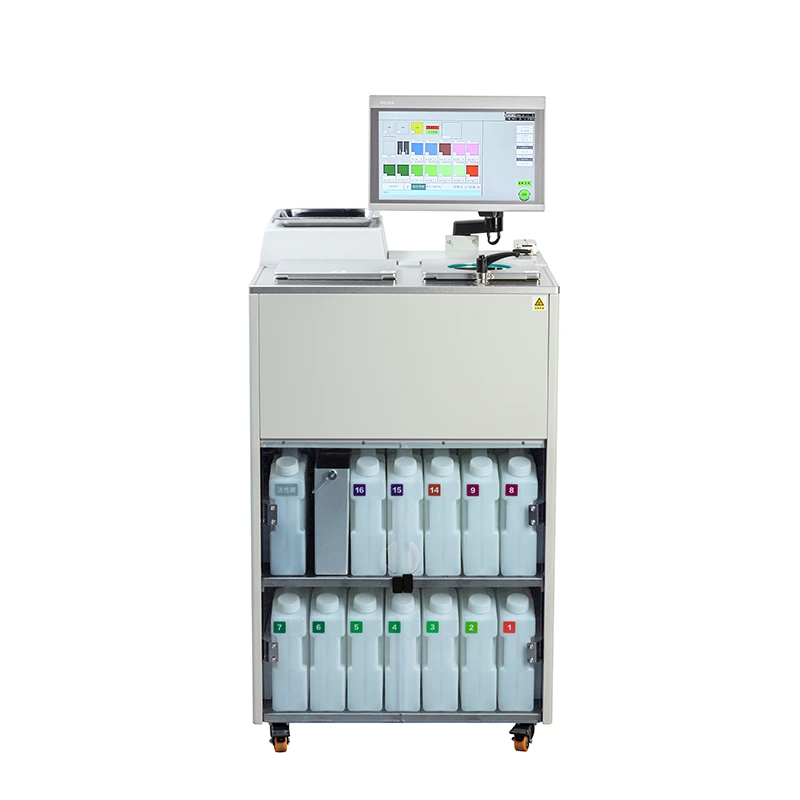
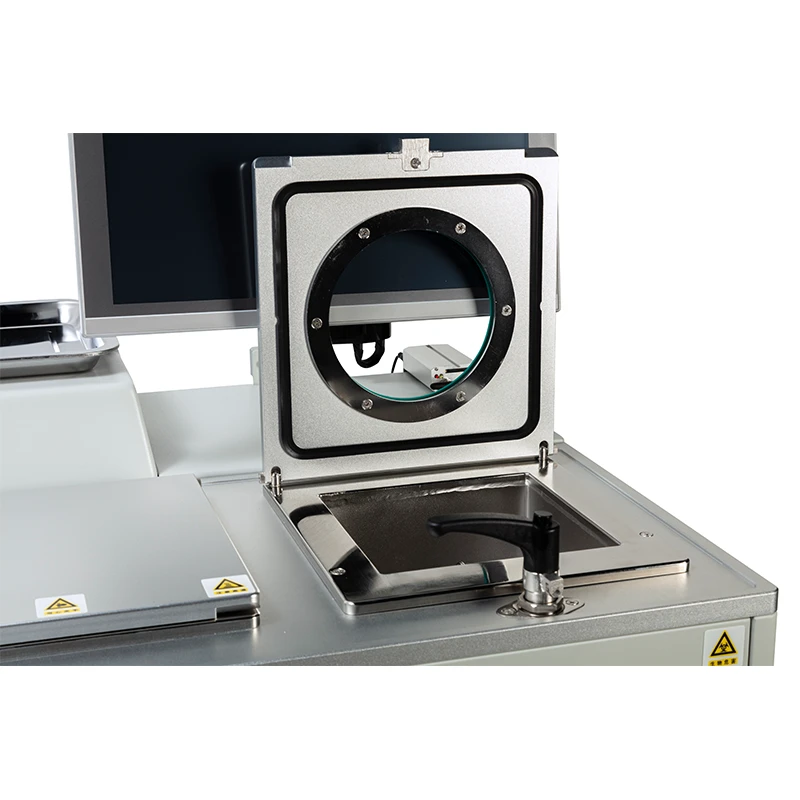
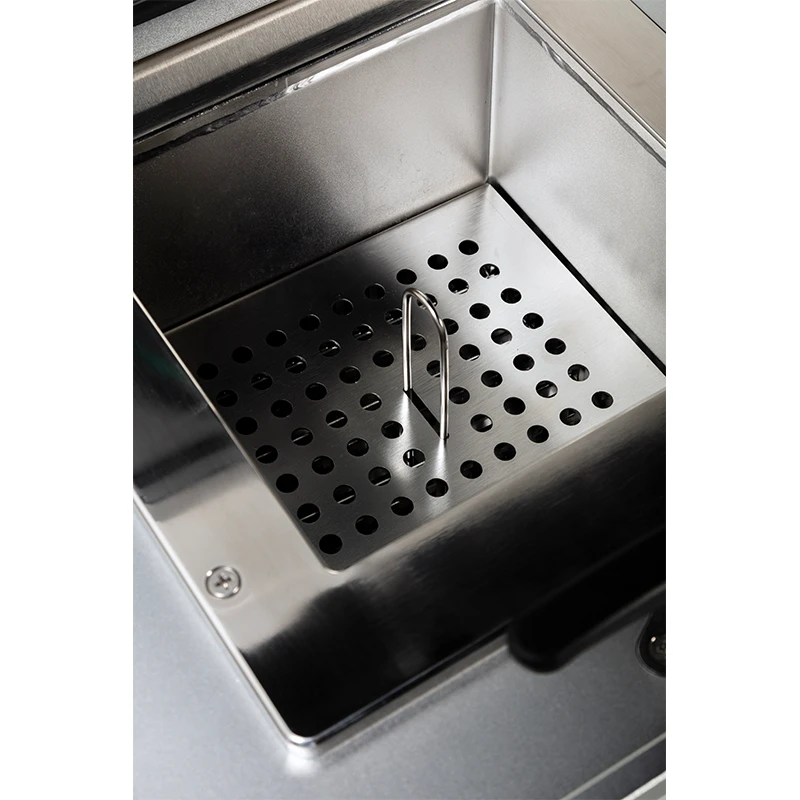
1. Three operational modes: atmospheric, positive, and negative pressure for flexible processing
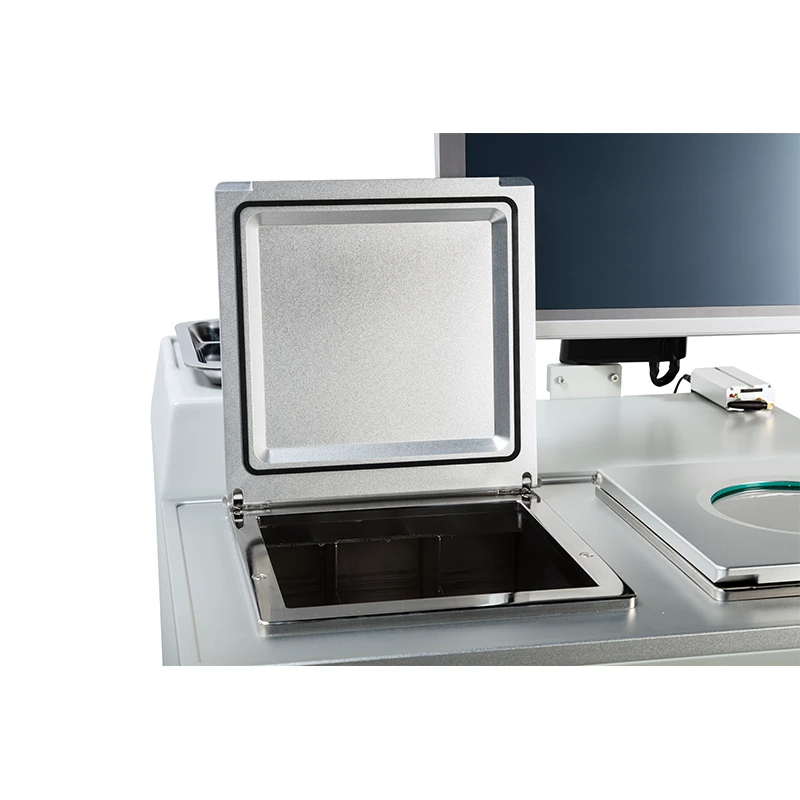
2. Activated carbon filter removes harmful gas; multi-alarm system for workspace safety
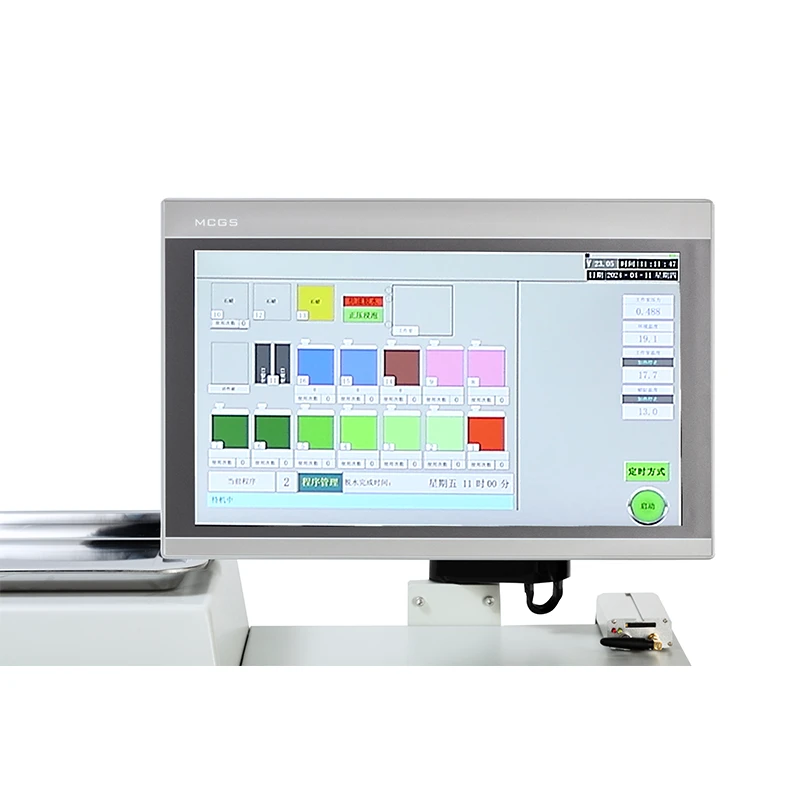
3. Large LCD touchscreen with 10 customizable program sets for easy monitoring
4. Magnetic stirring system with customizable mixing for consistent reagent distribution
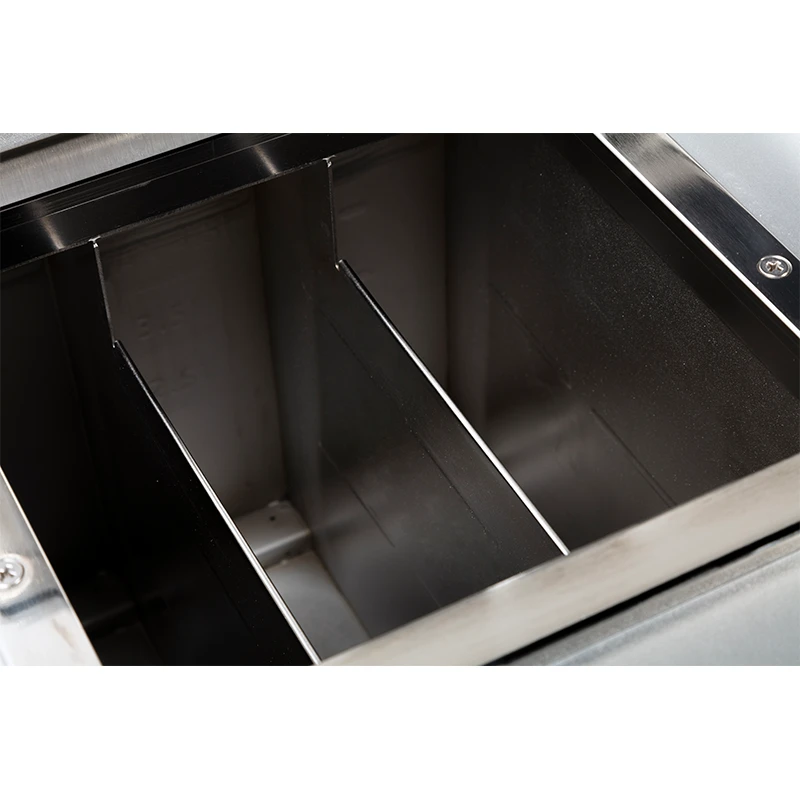
5. Automatic reagent rotation and self-cleaning workspace to prevent contamination
6. Two dehydration options: rapid and conventional; adjustable immersion time 0-300 minutes
Product Overview
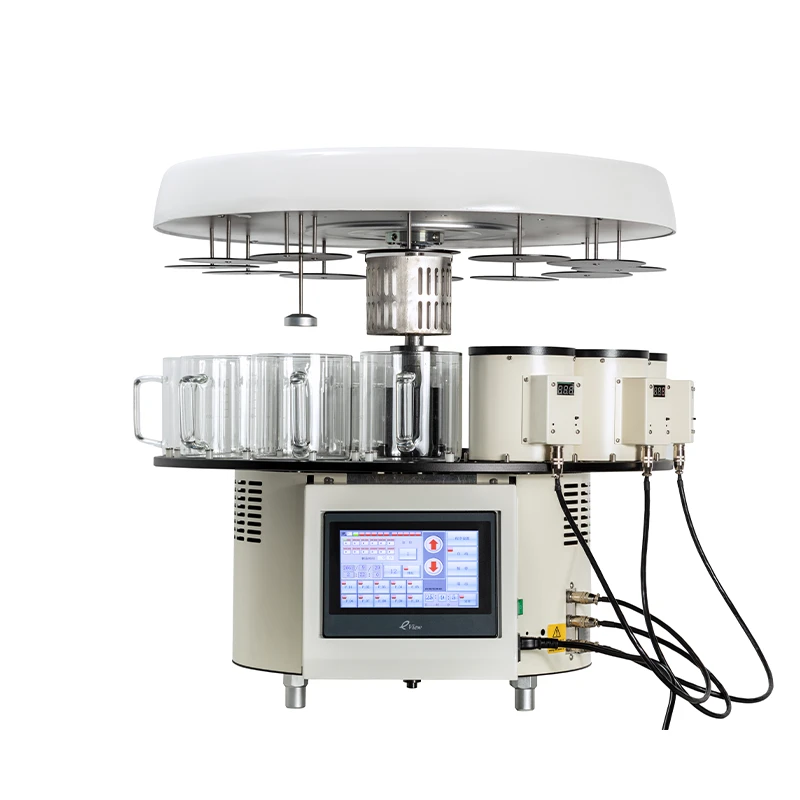
The Roundfin RD-800 is an advanced automatic tissue processor designed for histology and pathology laboratories requiring reliable, high-throughput tissue dehydration, clearing, and paraffin infiltration. Combining three operational modes (atmospheric pressure, positive pressure, and negative/vacuum pressure), an activated carbon filtration system for harmful gas removal, and a large LCD touchscreen with 10 customizable program sets, the RD-800 delivers consistent, high-quality tissue processing for routine and specialized histology workflows.
The RD-800 features automatic reagent rotation for efficient chemical usage, a magnetic stirring system with customizable mixing speed, a self-cleaning workspace to prevent cross-contamination between runs, and a multi-alarm system for workspace safety. Operators can choose between rapid and conventional dehydration protocols with adjustable immersion times (0-300 minutes per station) and manual or fully automatic operation modes. CE certified.
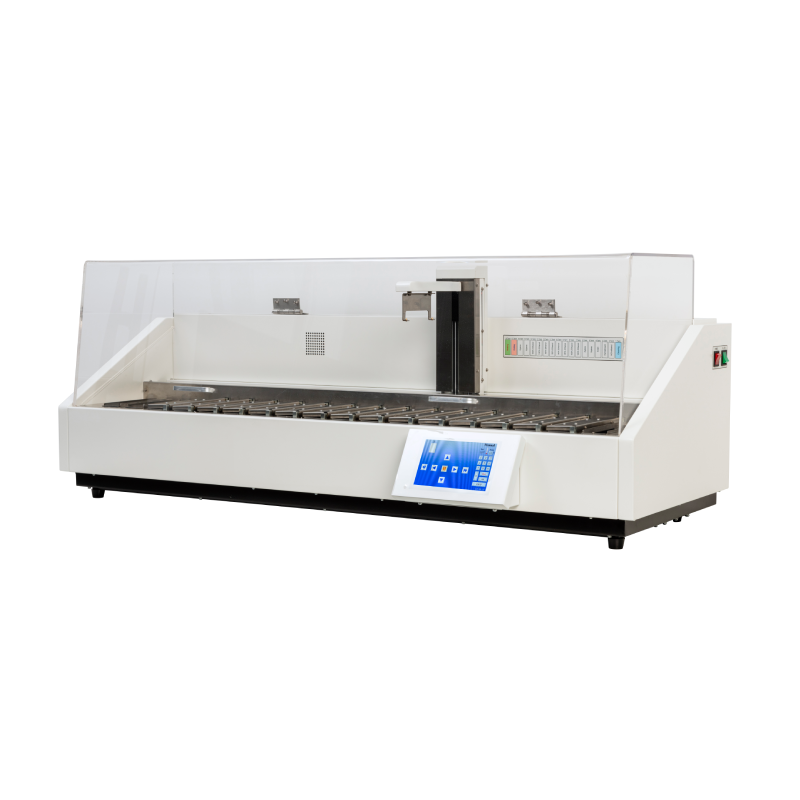
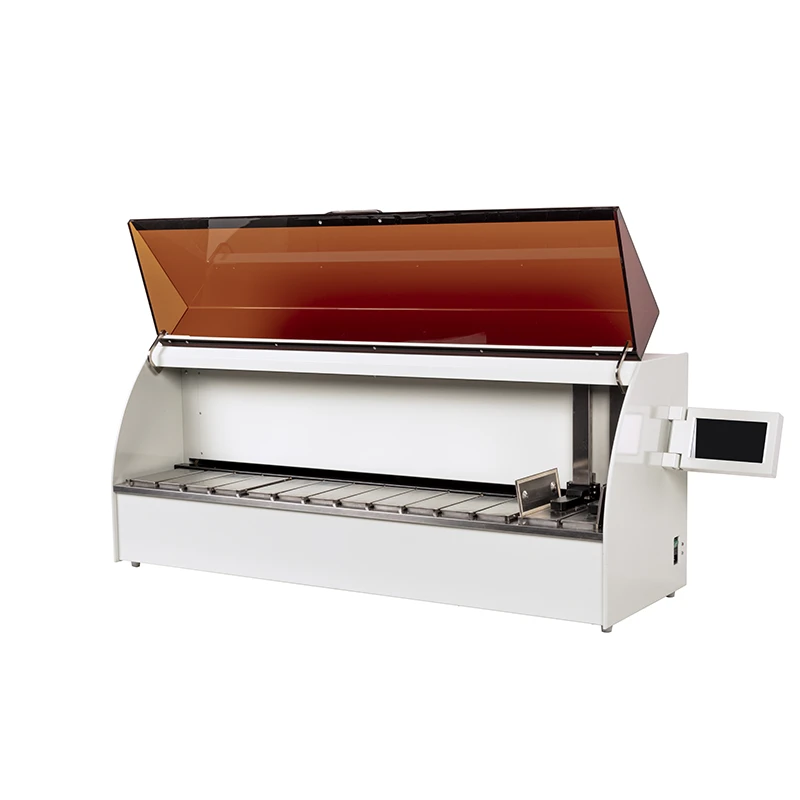
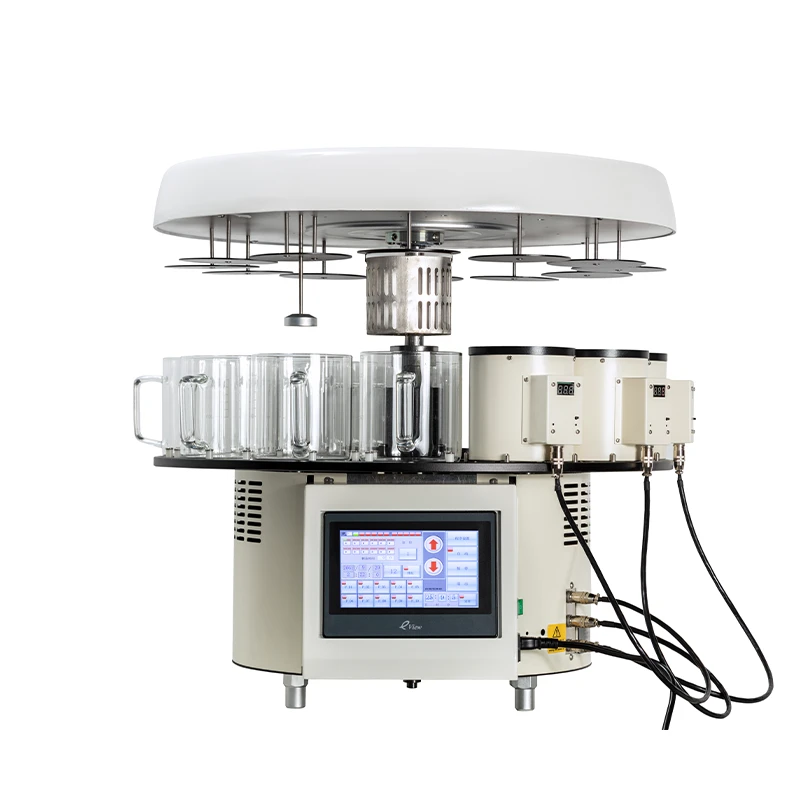
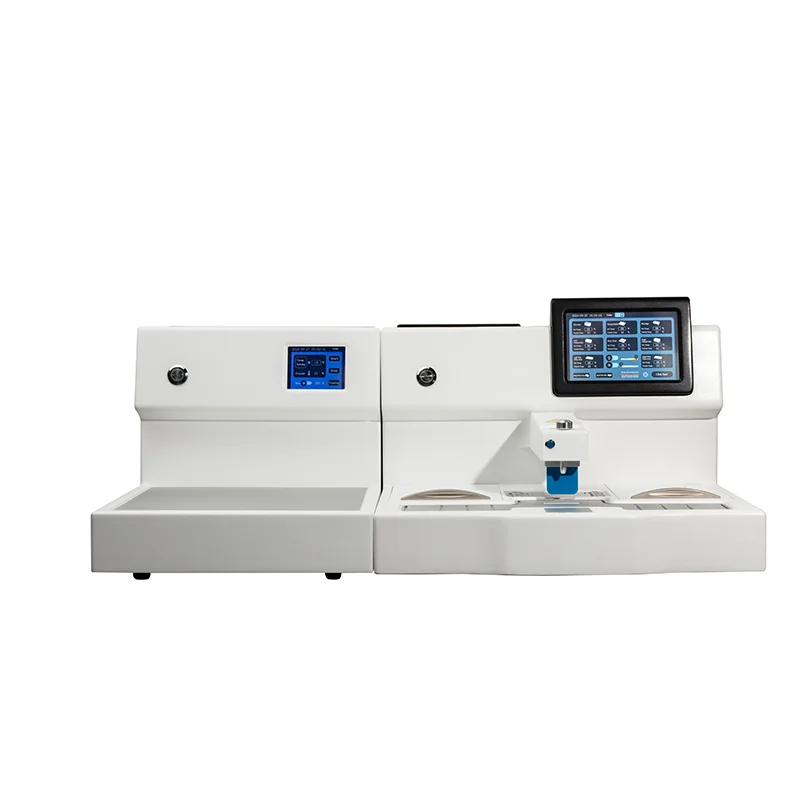
Figure 1 -- Roundfin RD-800 Tissue Processor with large LCD touchscreen and multi-pressure operational modes
Key Specifications
Modes: Atmospheric / Positive / Negative Pressure | Display: Large LCD Touchscreen | Programs: 10 Customizable Sets | Mixing: Magnetic Stirring | Filtration: Activated Carbon
Technical Specifications
| Parameter | Specification |
|---|---|
| Model | RD-800 |
| Type | Automatic Tissue Processor |
| Operational Modes | Atmospheric pressure / Positive pressure / Negative (vacuum) pressure |
| Display | Large LCD touchscreen |
| Program Sets | 10 customizable programs |
| Immersion Time | 0-300 minutes per station (adjustable) |
| Mixing System | Magnetic stirring with customizable speed |
| Dehydration Options | Rapid and conventional protocols |
| Reagent Management | Automatic reagent rotation for efficiency |
| Filtration | Activated carbon filter for harmful gas removal |
| Safety | Multi-alarm system for workspace safety |
| Cleaning | Self-cleaning workspace to prevent cross-contamination |
| Operation | Manual or fully automatic modes |
Key Features
- Three Operational Pressure Modes -- Atmospheric pressure, positive pressure, and negative/vacuum pressure modes provide flexible processing options for different tissue types and protocols. Vacuum mode accelerates reagent infiltration for dense or fatty specimens.
- Activated Carbon Filtration -- Built-in activated carbon filter effectively removes harmful formaldehyde, xylene, and alcohol vapors from the workspace, protecting laboratory personnel from prolonged exposure to processing chemicals.
- Multi-Alarm Safety System -- Comprehensive alarm monitoring for temperature excursions, reagent levels, power interruptions, and processing completion -- ensuring workspace safety and preventing sample loss during unattended operation.
- Self-Cleaning Workspace -- Automated cleaning cycle prevents cross-contamination between processing runs, maintaining consistent tissue quality and reducing manual maintenance requirements.
- Large LCD Touchscreen Interface -- Intuitive touchscreen displays all processing parameters in real time. 10 customizable program sets allow laboratories to store and recall optimized protocols for different tissue types, sample sizes, and processing requirements.
- Automatic Reagent Rotation -- Intelligent reagent management system automatically rotates chemicals to maintain consistent concentrations across processing stations, maximizing reagent utilization and reducing operating costs.
- Magnetic Stirring System -- Customizable-speed magnetic stirring ensures uniform reagent distribution and consistent tissue contact in each processing station for reproducible results.
- Flexible Processing Options -- Choose between rapid and conventional dehydration protocols. Adjustable immersion time from 0 to 300 minutes per station. Manual or fully automatic operation to suit any lab workflow.
Applications
| Scenario | How It Supports |
|---|---|
| Hospital Histology Lab | 10 customizable programs for standardized diagnostic processing. Rapid dehydration option for urgent biopsy cases. Automatic reagent rotation for consistent daily throughput. |
| Research Institute | Flexible pressure modes for varied tissue types. Adjustable immersion time and magnetic stirring for reproducible research protocols. Self-cleaning prevents cross-contamination between experiments. |
| Veterinary Pathology | Multi-pressure modes handle the full range of animal tissue densities. Carbon filtration for safe lab environment. Manual and automatic operation for flexible staffing. |
| Medical University / Teaching Hospital | LCD touchscreen interface simplifies training. 10 stored programs allow students to follow standardized protocols. Multi-alarm system prevents sample loss during teaching sessions. |
Frequently Asked Questions
What pressure modes does the RD-800 support?
The RD-800 supports three operational modes: atmospheric pressure for standard processing, positive pressure for enhanced infiltration, and negative/vacuum pressure for accelerated reagent penetration -- particularly useful for dense or fatty tissue specimens.
How many programs can be stored?
The RD-800 features 10 customizable program sets, each configurable with specific immersion times (0-300 minutes per station), temperature settings, pressure modes, and mixing speeds. This allows laboratories to maintain optimized protocols for different tissue types and processing requirements.
How does the self-cleaning and filtration system work?
The RD-800 includes an activated carbon filter that removes formaldehyde, xylene, and alcohol vapors from the workspace during operation. The self-cleaning workspace runs an automated cleaning cycle between processing runs to prevent cross-contamination and maintain consistent tissue quality. A multi-alarm system monitors temperature, reagent levels, and power status for safety.
What is the difference between rapid and conventional dehydration?
The RD-800 offers both rapid dehydration (for urgent specimens where turnaround time is critical) and conventional dehydration (for standard overnight or multi-hour processing with gentler reagent exchange). Operators can select the appropriate protocol based on specimen type, size, and clinical urgency.
Need a Reliable Automatic Tissue Processor?
The Roundfin RD-800 combines atmospheric/positive/negative pressure modes, activated carbon filtration, 10 customizable programs, magnetic stirring, self-cleaning workspace, and a large LCD touchscreen. CE certified with factory-direct pricing and worldwide shipping.
Request a quotation: Contact our histopathology equipment team -- reply within 12 hours.