Roundfin BTB30-1 BTB60-1 8/16 Gallon Portable Eyewasher

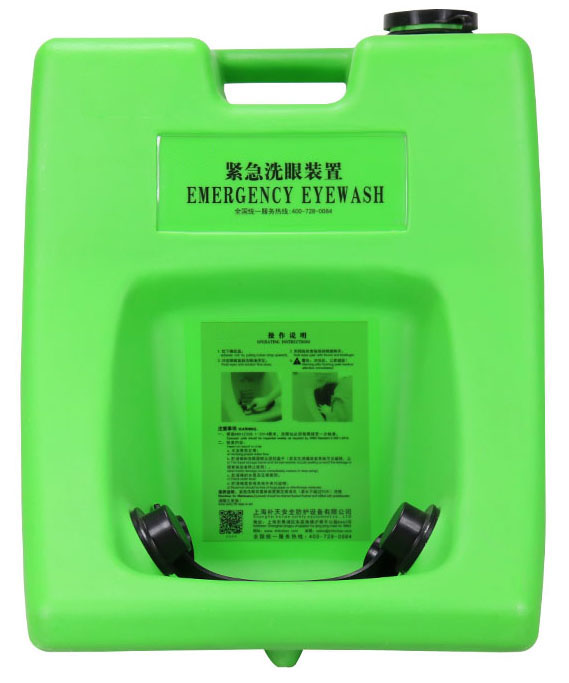
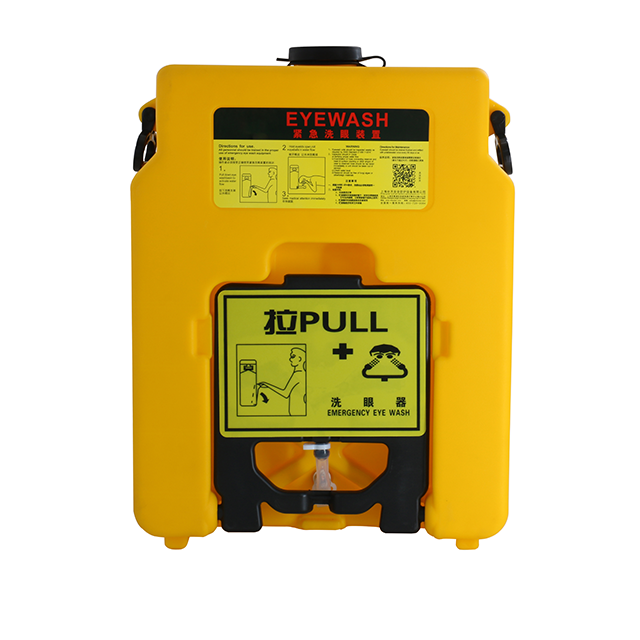
1. High-quality non-toxic PE tank with carbon steel bracket and ABS anticorrosive coating — available in 8-gallon (BTB30-1, ~30 L) and 16-gallon (BTB60-1, ~60 L) capacities
2. ANSI Z358.1-2014 compliant — minimum 1.5 L/min flow rate for a full 15-minute flush duration meeting workplace safety regulatory requirements
3. Stainless steel (SS304/SS316L) bracket option available for enhanced corrosion resistance in chemical processing, marine, and food processing washdown environments
4. Pull-handle activation with stay-open valve for hands-free continuous operation — large accessible handle operable with a single motion when the user's vision is compromised
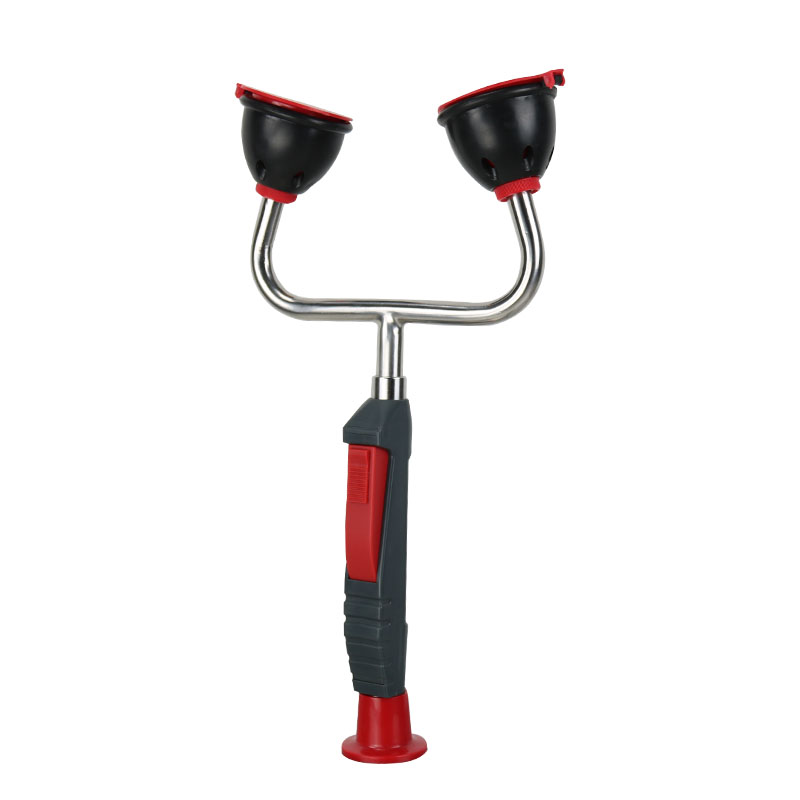
5. Twin aerated spray heads with flip-top dust covers protect nozzles from airborne contaminants and automatically open upon water flow activation
6. Wide-mouth tank opening with tethered fill cap and integrated drain plug; wall-mountable with included bracket and green emergency signage; CE marked and ISO 13485 certified
Product Overview
The Roundfin BTB30-1 and BTB60-1 Portable Eyewashers are wall-mountable, gravity-fed emergency eye irrigation stations available in 8-gallon (~30 L, BTB30-1) and 16-gallon (~60 L, BTB60-1) tank capacities. Featuring a pull-handle activation mechanism with stay-open valve for hands-free continuous operation, these portable stations deliver ANSI Z358.1-2014 compliant flow rates for 15-minute flushing. The high-quality non-toxic PE tank with UV-stabilized construction and optional stainless steel bracket (SS304 or SS316L) provide durable, corrosion-resistant performance in diverse workplace environments.
Roundfin BTB30-1 BTB60-1 Portable Eyewasher — 8/16 Gallon Pull-Handle Emergency Station
Key Takeaway: Roundfin BTB30-1/BTB60-1 Portable Eyewasher — ANSI Z358.1-2014 compliant emergency eyewash equipment. CE marked, ISO 13485 certified. Available in portable and plumbed configurations for laboratories, industrial facilities, and healthcare environments. Worldwide shipping.
Technical Specifications
| Parameter | Specification |
|---|---|
| Models | BTB30-1 (8 gallon / ~30 L); BTB60-1 (16 gallon / ~60 L) |
| Tank Material | High-quality non-toxic polyethylene (PE); UV-stabilized, translucent for water level visibility |
| Bracket Material | Carbon steel with ABS anticorrosive coating (standard); optional SS304 or SS316L stainless steel |
| Mounting | Wall-mounted bracket with installation hardware included |
| Flow Rate | Minimum 1.5 L/min per ANSI Z358.1-2014 at rated head pressure |
| Flush Duration | Full 15-minute continuous flush at rated flow rate |
| Activation | Pull-handle activation with stay-open valve for hands-free continuous flow |
| Certifications | CE marked; ISO 13485; ANSI Z358.1-2014 compliant |
Key Features
- Two Capacity Options for Site Flexibility — BTB30-1 (8 gal/30 L) for standard single-casualty hazard areas; BTB60-1 (16 gal/60 L) for high-traffic areas, multi-shift operations, or remote sites with extended emergency response access.
- Pull-Handle Hands-Free Activation — Large pull-handle activation mechanism is easy to locate and operate with a single downward pull motion; stay-open valve locks in the open position for continuous hands-free eye irrigation.
- Optional Stainless Steel Bracket — While the standard bracket is carbon steel with ABS anticorrosive coating, SS304 and SS316L options are available for corrosive environments — chemical plants, offshore platforms, coastal installations, and food processing facilities with frequent chlorinated washdowns.
- ANSI Z358.1-2014 Compliant Performance — Flow rate, flush duration, spray pattern, nozzle height, and activation force all meet ANSI requirements for emergency eyewash equipment; compliant with OSHA 29 CFR 1910.151(c) workplace safety regulations.
- Twin Aerated Spray with Auto Dust Covers — Spring-loaded flip-top dust covers protect the spray head orifices from dust, debris, insects, and chemical splash; automatically flip open when water flows; aerated outlets provide gentle, effective irrigation.
- Translucent Tank for Visual Inspection — The PE tank is translucent, allowing a quick visual check of water level, clarity, and potential contamination without opening the fill cap; supports efficient weekly inspection compliance.
FAQ
What is the difference between BTB30-1/BTB60-1 and BTB30-2/BTB60-2?
The primary difference is the activation mechanism: BTB30-1/BTB60-1 uses a pull-handle activation, while BTB30-2/BTB60-2 uses a push-plate activation. Both meet ANSI Z358.1-2014 one-motion activation requirements. The choice between pull-handle and push-plate is largely a matter of site preference and standardization with existing eyewash equipment. Both series share the same tank construction, capacities, bracket options, and spray head design.
How should I position a portable eyewash for ANSI compliance?
Per ANSI Z358.1-2014: (1) The eyewash must be located within a 10-second travel distance (approximately 16.8 m / 55 ft) from the hazard on the same level with an unobstructed path. (2) The spray head nozzles must be 83.8-114.3 cm (33-45 inches) from the floor. (3) The area must be well-lit and identified with a green emergency eyewash sign. (4) The path must not require navigating doors, stairs, or equipment. (5) For corrosive chemical hazards, the eyewash should be immediately adjacent to the hazard — the 10-second rule is the maximum, not the target.
What is the recommended water type for filling the tank?
Use potable (drinking-quality) tap water or preserved, buffered sterile eyewash solution. For tap water: change every 1-2 weeks; consider adding an antibacterial preservative additive specifically formulated for portable eyewash stations to extend the change interval. For factory-sealed preservative cartridges: follow the manufacturer's expiration date (typically 3-6 months). Never use distilled or deionized water without a preservative — the absence of residual chlorine can accelerate bacterial growth compared to tap water.
How do I winterize a portable eyewash in an unheated facility?
Portable eyewashers are at risk of freezing in unheated facilities during winter. Options for freeze protection: (1) Move the eyewash to a heated area during freezing weather if possible. (2) Use a factory-sealed preservative eyewash solution rated for freeze protection (certain glycol-based formulations resist freezing to approximately -10°C). (3) Install a heated eyewash enclosure or cabinet. (4) For permanent unheated locations, consider replacing the portable unit with a plumbed eyewash equipped with freeze-protection heat tracing and an insulated jacket. Never add automotive antifreeze (ethylene glycol — toxic to eyes) or alcohol (causes severe stinging on contact with injured eyes).