How to Choose a Pathology Grossing Table for Hospital Lab Projects
When a hospital, diagnostic center, medical school, or regional pathology laboratory plans a new specimen handling room, the pathology grossing table is one of the most important workstations in the project. A well selected pathology grossing table supports safe sample preparation, efficient cleaning, odor control, and long service life. A poorly selected table can create daily workflow problems, difficult maintenance, and extra cost after installation.
This buying guide explains how procurement teams can evaluate a pathology grossing table before placing an order. The focus is practical: stainless steel structure, ventilation design, sink and drainage layout, lighting, disinfection, ergonomics, room planning, and supplier support. It is written for buyers who need reliable pathology equipment for hospital laboratories, forensic departments, teaching labs, and independent diagnostic facilities.
Why the Pathology Grossing Table Matters in Lab Planning
A pathology grossing table is not only a stainless steel table. It is a functional workstation where tissue specimens are described, measured, trimmed, washed, and prepared for the next histopathology process. The station may need to support water supply, waste collection, lighting, ventilation, tool storage, electrical sockets, and optional digital documentation equipment.
Because this workstation is used every day, procurement decisions should be based on the complete working environment, not only the purchase price. Buyers should consider how the grossing station will connect with the room ventilation system, how staff will clean the table after work, whether the height is comfortable, and whether the manufacturer can customize dimensions for the project site.
Start with the Laboratory Workflow
Before comparing models, list the daily workload and workflow of the pathology lab. A small hospital pathology room may require one compact station with basic water and lighting. A larger laboratory may need a full pathology grossing table with stronger ventilation, automatic flushing, a waste processor, extra work surface, and optional camera or monitor support.
Important questions include how many specimens are processed per day, whether the work is mainly routine biopsy handling or larger surgical specimens, how many operators may use the station, and whether the table needs to support teaching, photography, or digital reporting. These workflow details help determine the table size, ventilation capacity, accessory package, and installation layout.
Check 304 Stainless Steel Construction
For pathology labs, stainless steel is preferred because it is durable, corrosion resistant, and easy to clean. Buyers should ask about the grade of stainless steel used for the worktop, sink, frame, cabinet, and exposed surfaces. Full 304 stainless steel construction is a strong choice for long term laboratory use, especially when the table is exposed to water, disinfectants, and frequent cleaning.
Look closely at welds, corners, and edges. Smooth welded seams and rounded edges reduce residue buildup and make sanitation easier. The work surface should feel stable and should not deform under normal use. For project tenders, it is useful to request clear product drawings, material descriptions, and photos of the actual structure before production or shipment.
Ventilation Is a Core Buying Factor
Ventilation is one of the main reasons to choose a professional grossing station instead of a simple workbench. During specimen handling, the workstation should help remove unpleasant odors and chemical vapor from the operator area. Many projects connect the upper exhaust fan to a main ventilation duct, while some installations discharge air directly to an outdoor area according to local engineering requirements.
When reviewing a pathology grossing table, ask how the exhaust fan is installed, where the air outlet is located, and what duct connection is required. The room engineer should confirm duct diameter, route, fan capacity, and noise expectations before final order. A station such as the Roundfin RD-907S Pathology Grossing Table is designed with an upper fan that can connect with the main ventilation pipe, making the workstation suitable for planned pathology lab rooms.
Coordinate Equipment and Room Engineering Early
A common procurement mistake is ordering the grossing table before confirming the room services. Water inlet, drainage, power supply, exhaust duct, and floor space should be reviewed together. If the table arrives before the room is ready, installation may be delayed or the site may need modification. For international projects, it is helpful to share layout drawings with the supplier so that the grossing table can be produced with suitable connection positions.
Evaluate Sink, Drainage, and Cleaning Design
Cleaning efficiency affects both safety and productivity. A practical pathology grossing table should include a well positioned sink, hot and cold water connection, easy drainage, and a worktop design that guides liquid toward the correct collection area. Some grossing stations include a high pressure shower, automatic washing device, or debris processor to simplify cleaning after specimen work.
Buyers should confirm whether the sink size is suitable for their workflow and whether the drainage pipe is easy to access for maintenance. If the table includes a pulverizer or waste processor, ask about voltage, power, capacity, and spare parts. For facilities that process many specimens, these cleaning features can save staff time and reduce daily operating friction.
Lighting, UV Disinfection, and Electrical Details
Good lighting is necessary for clear visual inspection and accurate specimen handling. Built-in LED lighting can help create a consistent working area, especially in rooms where ceiling lighting is not enough. Some pathology grossing tables also include UV disinfection lamps to support routine cleaning procedures when the workstation is not in use.
Electrical details should be reviewed carefully. The buyer should confirm voltage, plug type, socket location, leakage protection, and the number of electrical outlets needed for accessories. If the lab plans to use a computer, camera, or display, a model such as the Roundfin RD-907S-M Touchscreen Pathology Grossing Station may be worth evaluating because it supports a more integrated working style.
Ergonomics and Operator Comfort
Pathology staff may stand at the grossing table for long periods. Table height, leg space, tool placement, faucet control, and viewing angle all affect comfort. Some projects prefer a fixed height table, while others need height adjustable designs to support different operators. Foot-operated water control can reduce hand contact and make the workflow more convenient.
Ask whether the workstation has a magnetic tool rack, movable boards, storage area, or optional monitor holder. These small details can improve daily efficiency. In a teaching lab or high workload department, ergonomic design can be as important as the core stainless steel structure.
Match the Grossing Table with Other Pathology Equipment
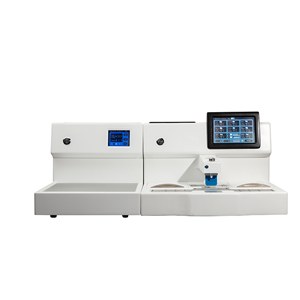
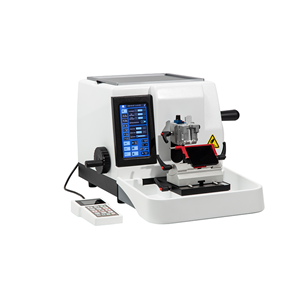
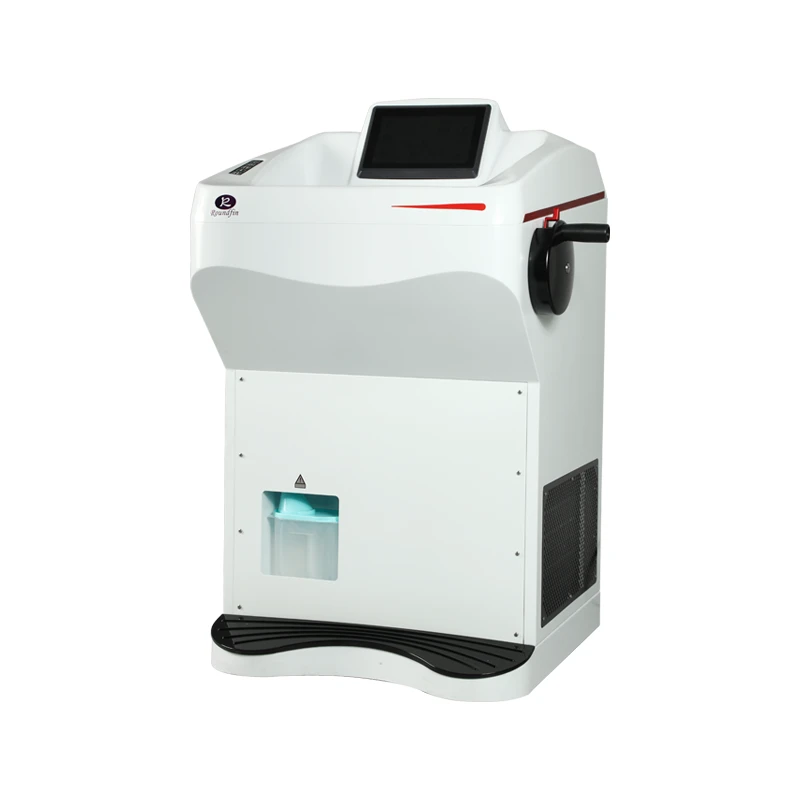
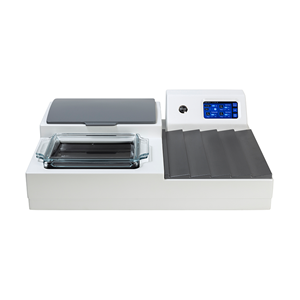
The grossing table is usually part of a wider pathology lab equipment package. A complete workflow may also include tissue processors, embedding stations, microtomes, flotation baths, slide dryers, staining equipment, and laboratory furniture. When buyers source these items from different suppliers, they must check dimensions, power requirements, delivery timing, and after-sales responsibilities separately.
Roundfin supplies a wider range of pathological instruments and related stainless steel equipment, helping project buyers coordinate multiple product categories from one source. Buyers can also review the full Roundfin product range when planning mortuary, autopsy, pathology, and medical stainless steel furniture projects together.
Questions to Ask Before Ordering
Before confirming the purchase, prepare a checklist for the supplier. Ask for the exact model, material grade, product size, working height, fan and air volume information, water and drainage requirements, voltage, standard accessories, optional accessories, lead time, packing method, and warranty terms. If the project has a tender document, share the technical specifications so the supplier can confirm compliance item by item.
For overseas hospital and laboratory projects, packing is also important. Stainless steel workstations should be protected with foam and wooden crates to reduce the risk of damage during international transport. Buyers should request packing photos, inspection photos, and shipping documents before dispatch.
How Roundfin Supports Pathology Lab Projects
Roundfin works with hospitals, funeral homes, pathology laboratories, medical schools, and project contractors that need mortuary equipment, autopsy equipment, pathology equipment, and medical stainless steel furniture. For pathology grossing table projects, Roundfin can help buyers review model selection, stainless steel material, ventilation connection, accessory configuration, and packaging requirements.
If your team is planning a new pathology lab or upgrading an existing grossing room, send Roundfin your room layout, expected workflow, voltage requirement, and target accessories. The Roundfin team can recommend a practical pathology grossing table configuration and provide quotation support for international procurement.