How to Choose a Mortuary Refrigerator for Hospital and Funeral Home Projects
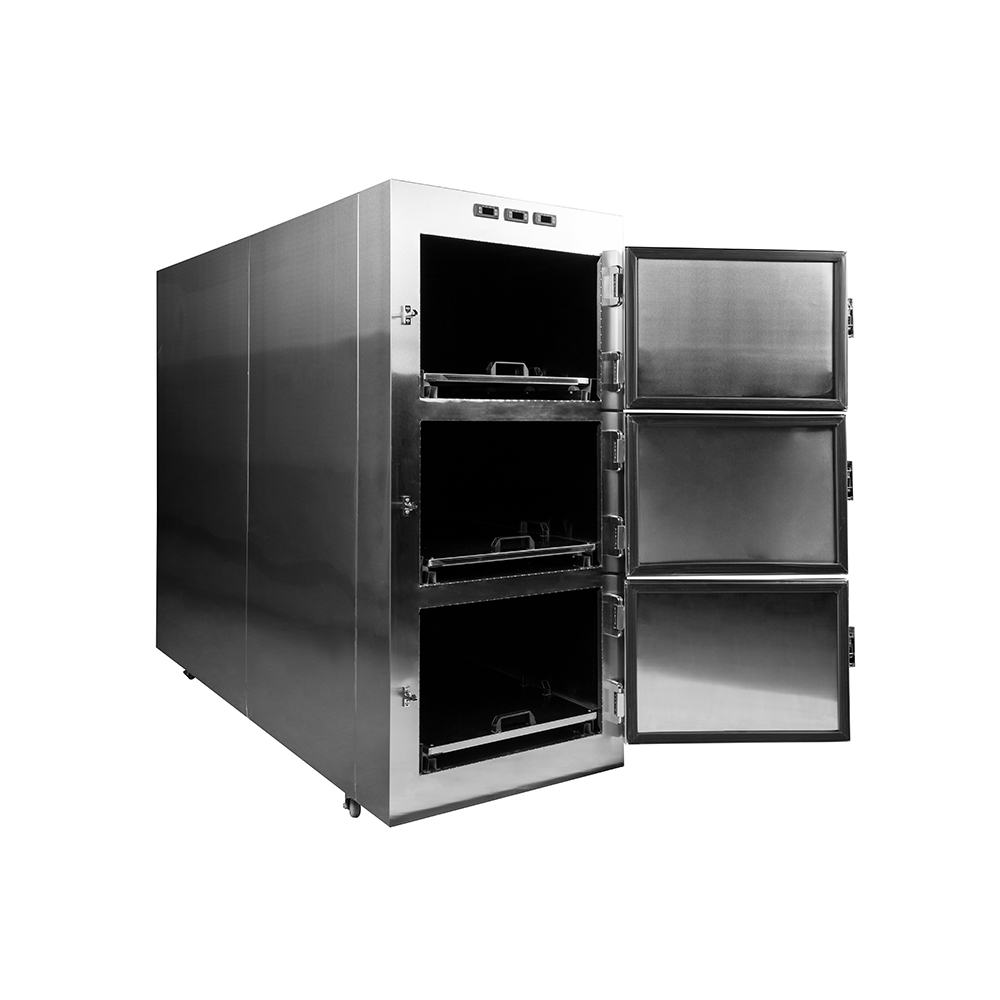
How to Choose a Mortuary Refrigerator for Hospital and Funeral Home Projects
Choosing a mortuary refrigerator is not only a matter of buying a cooling cabinet. For hospitals, funeral homes, medical schools, forensic centers, and public service institutions, the right mortuary refrigerator supports respectful body storage, stable daily operation, and safer workflow for staff. A well-planned unit can also reduce maintenance pressure and help the project buyer control long-term operating cost.
Roundfin supplies mortuary equipment and pathology equipment for international projects, including mortuary refrigerators, body trays, corpse racks, mortuary lifts, autopsy tables, and stainless steel medical furniture. Based on typical project requirements, the following points can help buyers evaluate a mortuary refrigerator before placing an order.
1. Confirm the required body storage capacity
The first step is to confirm how many bodies need to be stored at the same time. A small funeral home may only need a 2-body or 3-body mortuary refrigerator, while a hospital morgue or municipal project may require a larger multi-body system. Buyers should consider current usage, emergency reserve capacity, and future growth. Choosing a mortuary refrigerator with suitable capacity helps avoid both wasted space and insufficient storage during busy periods.
2. Check temperature control and cooling reliability
Stable temperature control is one of the most important indicators of a mortuary refrigerator. A reliable system should maintain consistent cooling, recover temperature quickly after door opening, and support safe body preservation in daily use. For many projects, independent room control is helpful because each chamber can work separately. This design can improve flexibility and reduce unnecessary energy consumption when only part of the equipment is in use.
Buyers should also pay attention to the compressor, refrigerant, insulation thickness, and alarm system. These details influence the performance and service life of a mortuary refrigerator. A practical alarm system can remind operators when temperature conditions need attention, which is important for hospitals and funeral homes that require stable operation.
3. Evaluate stainless steel structure and hygiene design
Because a mortuary refrigerator is used in a professional hygiene environment, material selection matters. Stainless steel is commonly used for the chamber, body tray, and contact surfaces because it is durable, easy to clean, and suitable for frequent disinfection. The structure should be smooth, practical, and strong enough for daily loading and unloading.
For project buyers, it is useful to check the thickness of the stainless steel, the quality of the body tray, the door sealing design, and whether the casters have brakes. These small details affect the user experience in real working conditions. A good mortuary refrigerator should make operation simple for staff while keeping the storage area clean and organized.
4. Match the opening style to the working space
Different morgues have different room layouts. Some facilities prefer front-opening models, while others choose side-opening mortuary refrigerators to save operation space or match the handling route. Before buying, measure the installation area, doorway width, corridor space, and the movement path of mortuary trolleys or body lifts.
Workflow planning is especially important when the project includes multiple items of mortuary equipment. A mortuary refrigerator should work smoothly with body trays, transfer trolleys, lifting equipment, and autopsy room facilities. Good layout planning can improve staff safety and reduce unnecessary handling steps.
5. Consider customization and project requirements
Many buyers need more than a standard mortuary refrigerator. Common customization points include voltage, chamber quantity, stainless steel grade, body tray design, outer dimensions, cooling range, compressor configuration, and packaging for export shipment. For tender projects, buyers may also need documents, specifications, and technical support before final approval.
Roundfin supports standard models and customized mortuary equipment according to different project needs. If the installation site has special size limits or workflow requirements, it is better to discuss them early. Early communication helps the supplier recommend a more suitable mortuary refrigerator and avoid changes after production.
6. Compare supplier experience and after-sales support
A mortuary refrigerator is a long-term professional asset, so supplier experience is important. Buyers should check whether the supplier understands hospital morgue projects, funeral home operations, export packaging, documentation, and communication requirements. A responsible supplier can help customers compare model options and prepare practical recommendations instead of only offering a price list.
Roundfin focuses on mortuary equipment, autopsy equipment, pathology equipment, and medical stainless steel products. Our team works with international customers in hospitals, funeral homes, medical schools, pathology laboratories, and public service institutions. We aim to provide dependable products, responsive communication, and practical support for project buyers.
Conclusion
When choosing a mortuary refrigerator, buyers should look at capacity, cooling reliability, stainless steel structure, hygiene design, installation space, customization options, and supplier support. A suitable mortuary refrigerator can improve daily workflow, protect storage stability, and provide long-term value for hospitals and funeral homes.
If you are planning a morgue project or need to compare mortuary refrigerator models, contact Roundfin for product details, specifications, and a quotation. Our team can help you select a practical solution based on your project requirements.