Mortuary Trolley Buying Guide: How to Choose a Safe Body Transfer Cart for Hospitals and Funeral Homes
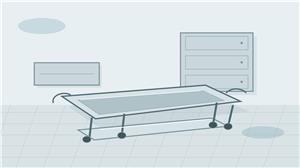
Mortuary Trolley Buying Guide: How to Choose a Safe Body Transfer Cart for Hospitals and Funeral Homes
For hospitals, funeral homes, medical schools and morgue project contractors, a mortuary trolley is not just a simple stainless steel cart. It is one of the most frequently used pieces of body handling equipment in the facility. Staff may use it for receiving, internal transfer, refrigerator loading, preparation room movement, autopsy support and final release. If the trolley is unstable, difficult to clean or mismatched with other equipment, daily work becomes slower and less safe.
This guide explains how to choose a mortuary trolley or cadaver transfer cart from a practical procurement point of view. It is written for buyers who need durable stainless steel equipment, clear specifications and reliable export support for hospital morgues, funeral homes, pathology departments and public health projects.
Start With the Transfer Workflow
Before comparing models, map the full movement route inside the facility. Where will the body be received? How far is the route to the mortuary refrigerator? Does the trolley need to enter an elevator, pass through a narrow corridor or turn inside a compact preparation room? Will staff transfer from a ward stretcher, ambulance stretcher, refrigerator tray, autopsy table or embalming table?
These questions affect trolley size, height, caster design and structure. A trolley that looks suitable in a catalog may become inconvenient if it cannot align with the refrigerator chamber, pass through the doorway or move smoothly across thresholds.
Roundfin supplies a complete range of mortuary trolleys for different transfer tasks, including fixed-tray carts, covered trolleys, lifting transfer trolleys and stainless steel work trolleys for morgue and autopsy environments.
Choose the Right Trolley Type
Different facilities need different trolley structures. A basic stainless steel mortuary cart may be enough for short-distance movement in a funeral home. A hospital morgue may need a height-adjustable body transfer trolley to match beds, refrigerators and autopsy tables. A public viewing or transport area may need a covered mortuary trolley to improve privacy during movement.
For example, the Roundfin RD-801S mortuary dead body transfer trolley is designed for transfer from hospital wards to the morgue and includes height adjustment, stainless steel construction and casters with brakes. This type of trolley is useful when staff need to reduce manual lifting and align the cart with other equipment.
For facilities that require a cover during movement, the Roundfin RD-1519 mortuary dead body transport trolley with cover is a relevant option. A covered trolley helps protect privacy in hospitals, funeral homes and public-facing transfer areas while still providing a stainless steel body tray and stable mobile frame.
Check Material and Hygiene Details
Most professional buyers prefer stainless steel mortuary trolleys because they are easier to clean and more suitable for wet, disinfected environments. However, the specification should go beyond the phrase "stainless steel." Buyers should ask about material grade, thickness, welding quality, surface finish and whether corners are easy to wipe.
304 stainless steel is commonly requested for mortuary and medical furniture because it offers a practical balance of corrosion resistance, strength and cost. For humid regions, coastal areas or facilities using frequent chemical disinfection, material quality becomes even more important.
The tray should also support sanitation. A concave tray, drain hole, marine edge or removable surface can help control liquid and make cleaning faster.
Evaluate Load Capacity and Stability
Load capacity is a safety issue, not a marketing number. A mortuary trolley should support real operating conditions, including the body, cover, tray, accessories and movement over slightly uneven floors. Buyers should compare the rated load, frame structure, wheel size and brake system.
A stable trolley should not twist or shake during movement. The frame should be welded cleanly and reinforced where necessary. If the trolley includes height adjustment, the lifting mechanism should move smoothly and remain stable at working height.
Check tray width and length against local body handling requirements. Oversized trolleys may be difficult to move through doors, while undersized carts can reduce stability.
Select Casters for the Actual Floor
Casters are small components, but they strongly affect daily operation. A mortuary trolley may need to move across tile floors, concrete, ramps, elevators, thresholds or wet cleaning areas. Wheel diameter, bearing quality and brake design all matter.
For heavy-duty mortuary use, larger casters usually roll more smoothly and handle thresholds better than small wheels. At least two wheels should have reliable brakes, and some designs may use directional locks to improve straight-line movement in corridors.
In project procurement, ask for caster size, brake quantity, wheel material and spare parts support.
Match the Trolley With Refrigerators and Tables
A body transfer cart should not be purchased in isolation. It must work with the mortuary refrigerator, autopsy table, preparation table, body lift and storage rack. The most important compatibility points are transfer height, tray width and loading direction.
If the facility uses front-loading refrigerators, the trolley needs enough clearance to align with the chamber and slide the body tray safely. If the morgue also has an autopsy table, the trolley should match the table height or include height adjustment.
For complete projects, Roundfin can help buyers combine trolleys with other mortuary equipment, including refrigerators, lifts, autopsy tables, corpse racks and stainless steel accessories. Matching equipment early reduces installation surprises and helps staff work more safely.
Consider Privacy, Covers and Accessories
Some buyers only focus on the cart frame, but privacy and accessories can change the best choice. A covered mortuary trolley may be preferred in hospitals, nursing homes or funeral homes where transfers pass through semi-public areas. Covers can also help keep the transfer process more orderly and professional.
Other useful features may include a lower shelf, removable tray, drain hole, side rails, handles, bumper protection or customized dimensions. For funeral homes, appearance and smooth movement may be as important as technical specifications. For hospital morgues and forensic facilities, hygiene and transfer safety are usually the main priorities.
Buyers should describe the working environment to the supplier instead of only asking for the lowest price.
Procurement Checklist for Mortuary Trolleys
Facility and workflow
Confirm whether the trolley will be used in a hospital, funeral home, forensic center, pathology department or medical school. Record the transfer route, doorway width, elevator size and floor type.
Product structure
Check overall dimensions, tray size, material grade, frame construction, cover type, drainage design, handles, shelf structure and whether the tray is fixed or removable.
Safety and mobility
Review load capacity, lifting range if applicable, caster diameter, brake system, turning radius and stability at working height.
Cleaning and maintenance
Confirm stainless steel grade, surface finish, weld quality, removable parts, caster replacement options and whether the design leaves enough cleaning access around the frame and tray.
Export and project support
Ask for packing method, lead time, drawings, product photos, manuals, spare parts and documents needed for customs clearance or tender submission.
How Roundfin Supports Buyers
Roundfin works with hospitals, funeral homes, distributors and project contractors that need practical mortuary equipment and stainless steel medical furniture. For a trolley inquiry, buyers can share the room layout, refrigerator type, transfer height, preferred cover style and expected workload. Roundfin can then recommend a suitable mortuary trolley, lifting trolley or covered transfer cart based on daily use.
The goal is not only to supply a cart, but to help the full body handling workflow operate safely. When trolleys, refrigerators, autopsy tables and body lifts are matched correctly, staff can reduce manual lifting, improve hygiene and complete transfers more efficiently.
Final Advice
A good mortuary trolley should be stable, cleanable, easy to move and compatible with the rest of the facility. Buyers should look beyond the basic product name and compare the details that affect daily work: stainless steel quality, caster performance, transfer height, tray design, cover requirements and supplier support.
If you are planning a hospital morgue, funeral home preparation room or mortuary equipment project, contact Roundfin with your room dimensions and workflow requirements. Our team can help you choose a mortuary trolley and related equipment for a safer, cleaner and more efficient body transfer process.