Automatic Tissue Processor Buying Guide: Capacity, Reagent Safety and Workflow Planning
Automatic Tissue Processor Buying Guide for Histopathology Lab Projects
Choosing an automatic tissue processor is a project decision, not only a lab equipment purchase. The right unit affects specimen turnaround time, reagent control, paraffin infiltration quality, operator safety and long-term maintenance costs. For hospitals, diagnostic laboratories, medical universities and distributors, the best tissue processing equipment should match the real workload of the laboratory and the way technicians prepare, monitor and archive specimens every day.
Roundfin supplies pathology equipment and related medical stainless steel solutions for international laboratory projects. This guide explains how procurement teams can evaluate automatic tissue processors before requesting a quotation, especially when comparing carousel tissue processors, vacuum tissue processors and higher-capacity processing systems.
Start With Daily Cassette Volume
The first purchasing question is simple: how many specimens must be processed in one normal shift, and how much growth is expected in the next two to three years? A small hospital pathology room may only need 50 to 100 cassettes per batch, while a regional diagnostic center may require 120 to 200 cassettes or more. Buying a processor that is too small creates overnight delays. Buying a processor that is too large may waste reagents, paraffin and bench space.
For buyers comparing models, Roundfin's tissue processor product range is a useful starting point because it includes multiple capacity levels for different laboratory workflows. A carousel model can be suitable for routine histology processing, while a vacuum model may be preferred when faster penetration and more consistent dehydration are required.
Understand the Processing Workflow
A typical histopathology workflow moves specimens through fixation, dehydration, clearing and paraffin infiltration. The automatic tissue processor must keep these steps predictable. Procurement teams should ask how many reagent cups are included, how many paraffin cups are heated, what time range can be set for each station, and whether programs can be stored for different specimen types.
For routine hospital use, the ability to save multiple programs is important. Small biopsies, larger surgical tissues and teaching-lab specimens may need different dehydration and infiltration timing. A clear control panel, simple program selection and reliable memory function can reduce operator error during busy shifts.
Carousel Type or Vacuum Type?
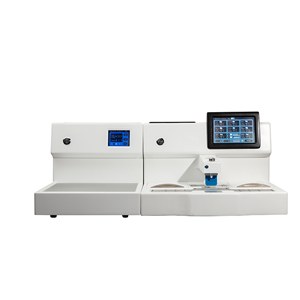
A carousel type auto tissue processor is often valued for transparent reagent cylinders, visual process checking and straightforward maintenance. For example, the Roundfin RD-500 carousel type auto tissue processor is designed for laboratories that need flexible cassette capacity, reagent visibility and programmable operation. Transparent cups also help technicians inspect reagent condition and plan replacement.
Vacuum tissue processing can improve reagent penetration and may shorten processing time for some specimen workloads. When comparing vacuum and non-vacuum systems, buyers should review the specimen type, required turnaround time, maintenance ability and budget. The right choice depends on workflow pressure, not only on the most advanced specification.
Reagent Safety and Fume Control
Histology processing uses formalin, alcohol, xylene substitutes or clearing agents, and heated paraffin. The tissue processor should help control these chemicals with safe reagent containers, stable lids, reliable drainage and practical fume reduction. A laboratory with poor ventilation should pay special attention to activated carbon filtration, sealed processing areas and alarm functions.
The Roundfin RD-800 tissue processor highlights several safety-focused features, including multiple operating modes, harmful gas removal, a multi-alarm system and automatic reagent rotation. These details matter because safety is not limited to one specification. Safety comes from how the equipment handles routine operation, reagent replacement, abnormal stops and daily cleaning.
Check Paraffin Heating and Temperature Control
Good paraffin infiltration depends on stable heating. Buyers should confirm the paraffin cup temperature range, heating power, temperature control precision and over-temperature protection. Unstable paraffin heating may affect tissue quality and may increase rework, especially in laboratories that process different tissue sizes in the same batch.
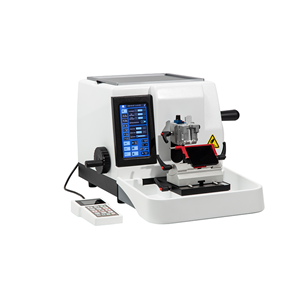
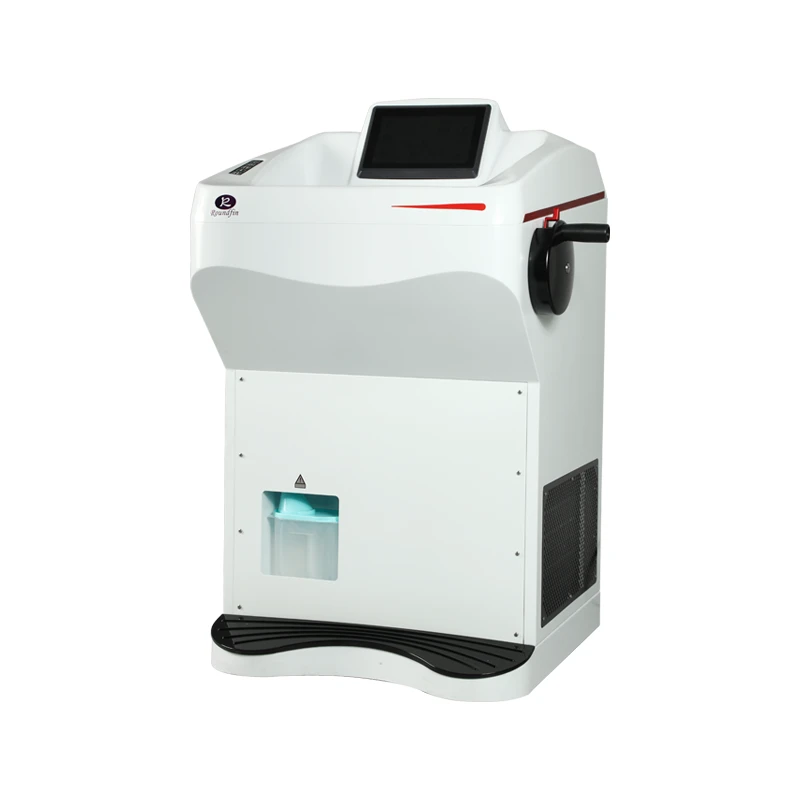
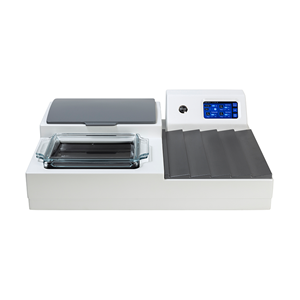
It is also useful to think beyond the tissue processor itself. After processing, specimens move to embedding, cooling, sectioning and staining. If a project is equipping a complete histopathology room, the tissue processor should be planned together with embedding center equipment, microtomes, flotation baths, slide dryers, storage cabinets and stainless steel work furniture.
Evaluate Operation, Alarms and Power Protection
An automatic tissue processor should be easy to operate by trained technicians, not only by engineers. A practical control panel, clear display, program memory, delayed start function and manual operation mode are valuable in daily use. The operator should be able to understand the current step, remaining time and alarm status without complicated training.
Alarm protection is especially important for overnight runs. Ask whether the tissue processor has power-off protection, obstacle detection, temperature alarms, liquid level or process alarms, and memory restart after power recovery. These functions protect specimens and reduce the risk of losing a full batch due to one equipment fault.
Plan Installation and After-Sales Support
Before confirming an order, check the installation environment. Confirm power supply, bench space, ventilation, operating temperature, humidity, reagent storage and safe waste handling. Large-capacity processors need enough surrounding space for reagent replacement and maintenance access. If the laboratory is part of a new hospital project, equipment layout should be reviewed before cabinets, sinks and electrical points are finalized.
International buyers should also confirm packaging, warranty, spare parts, user manuals, voltage options and training support. Roundfin can support pathology lab projects with model selection, OEM discussion, shipment planning and coordination across related equipment. For distributors, clear technical documents and stable supply are also important when serving tenders or repeat hospital customers.
Practical Checklist Before You Request a Quote
Use the following checklist before comparing prices:
Expected cassette capacity per batch and future workload growth.
Number and volume of reagent cups and paraffin cups.
Whether carousel, vacuum or higher-capacity processing is required.
Program memory, delayed start and manual operation options.
Fume control, alarm protection and cleaning convenience.
Power supply, bench space, ventilation and reagent handling plan.
Warranty, spare parts, certification and export documentation.
Conclusion
The best automatic tissue processor is the one that fits the laboratory's specimen volume, safety requirements and daily workflow. Capacity, reagent design, paraffin heating, alarm protection and service support should all be reviewed before the purchase decision. Roundfin provides tissue processors and related histopathology equipment for hospitals, pathology laboratories, medical schools and distributors. If you are planning a new histology room or upgrading existing pathology lab equipment, contact Roundfin to discuss model selection, configuration and project supply requirements.