Tissue Flotation Bath and Slide Dryer Buying Guide for Histology Lab Projects
For a histology laboratory, a tissue flotation bath and slide dryer may look like a small workstation, but the equipment has a direct influence on section quality, turnaround time and daily operator comfort. When a hospital, pathology center or laboratory distributor plans a new histology room, the procurement team often focuses first on microtomes and tissue processors. The flotation and drying step deserves the same attention because this is where paraffin sections are expanded, picked up on slides and stabilized before staining.
This buying guide explains how to compare a tissue flotation bath, slide dryer and slide warmer for real pathology laboratory projects. It is written for hospital procurement teams, laboratory contractors, pathology department managers and distributors who need practical equipment selection criteria rather than a simple model list.
Why tissue flotation and slide drying matter in the histology workflow
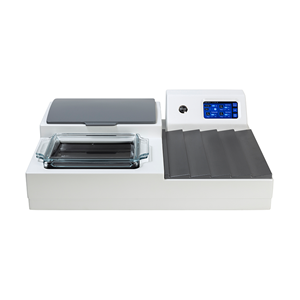
After paraffin blocks are sectioned on a rotary microtome, thin tissue ribbons need to be floated on warm water so wrinkles can relax before the section is collected on a glass slide. If the bath temperature is unstable, too low or too high, sections can wrinkle, expand unevenly or lose morphology. A good tissue flotation bath provides a clean water surface, stable heating and enough working area for routine section pickup.
The slide drying stage is equally important. Slides need controlled heat so sections adhere properly before staining or further processing. A slide dryer or slide warmer with predictable temperature distribution helps reduce repeated work, section loss and delays between cutting and staining. In busy histology labs, the flotation bath and slide dryer together become a small but critical productivity station.
Start with your laboratory workload
Before comparing models, define the daily slide volume and workflow pattern. A small clinic or teaching laboratory may only need a compact tissue floating bath for occasional section pickup. A hospital pathology department that handles continuous specimens needs more working area, faster heating and higher slide drying capacity.
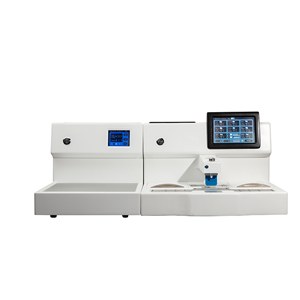
For laboratories that want one coordinated workstation, a combination tissue flotation bath and slide dryer can save bench space and simplify operation. For labs that prefer separate instruments, a standalone tissue flotation bath may be easier to place near the microtome while a separate slide dryer can be positioned near the staining preparation area.
Key specifications to compare
Temperature range and control accuracy
Temperature control is the first specification to check. The tissue flotation bath should heat quickly and maintain a stable water temperature during routine use. Many histology labs work with paraffin sections in a moderate warm range, but the exact setting depends on wax type, tissue type and local protocol. Look for digital control, clear display and repeatable settings so technicians can standardize their daily process.
For slide drying, the warmer should provide even heat across the surface. Uneven heat can cause inconsistent drying, especially when multiple slides are placed at the same time. A unit with independent or programmable heating areas may be useful when the laboratory processes different batches throughout the day.
Capacity and working surface
Capacity should match real throughput rather than the largest theoretical number. For a tissue flotation bath, consider the bath dimensions, water depth and visibility of floating sections. A clean contrast surface helps technicians see delicate sections more clearly. For a slide dryer, compare how many slides can be arranged without crowding and whether staining racks can be placed safely when needed.
Roundfin supplies a broader tissue flotation bath, slide dryer and slide oven range for different lab layouts. This helps distributors and project contractors match compact benches, routine hospital labs and higher-volume pathology rooms with the right equipment format.
Material, cleaning and contamination control
Histology work requires cleanable surfaces and simple daily maintenance. Stainless steel and chemically resistant surfaces are preferred for benches and surrounding laboratory furniture because wax, water, slides and reagents are handled in the same area. Smooth edges, accessible bath surfaces and removable covers make routine cleaning easier.
Procurement teams should also ask how the bath is drained or cleaned, how the heating surface is protected and whether the control panel is easy to wipe. A low-cost unit can become expensive if it slows cleaning, collects residue or makes temperature verification difficult.
Bench layout and equipment matching
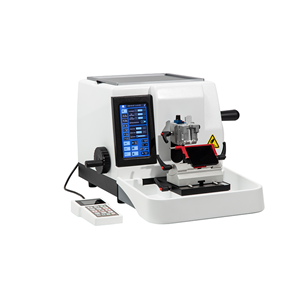
A practical histology workstation should support the technician's natural sequence: trimming, sectioning, floating, slide pickup, drying and staining preparation. The tissue flotation bath is usually placed close to the microtome so ribbons can be transferred quickly. For example, when a lab is selecting a manual tissue rotary microtome, the same project should also check bench height, nearby power supply, water handling and the space needed for slide drying.
A combination machine may reduce cable clutter and bench footprint, but a separate bath and dryer may provide more flexible positioning. The better choice depends on whether the lab values compact installation, separated work zones or higher simultaneous slide capacity.
Questions to ask before ordering
Before placing an order, confirm the voltage and plug requirements for the project country, the preferred temperature range, available bench dimensions and target slide volume. Ask whether spare parts, manuals and packing details are available for the order. For distributor projects, confirm carton size, lead time and whether multiple units can be supplied consistently across phases.
Hospitals should also evaluate operator training. A clear digital display, simple keys and obvious heating status can reduce mistakes for new technicians. Where several technicians share one histology room, repeatable settings and easy cleaning are more valuable than complex functions that are rarely used.
How Roundfin supports pathology laboratory projects
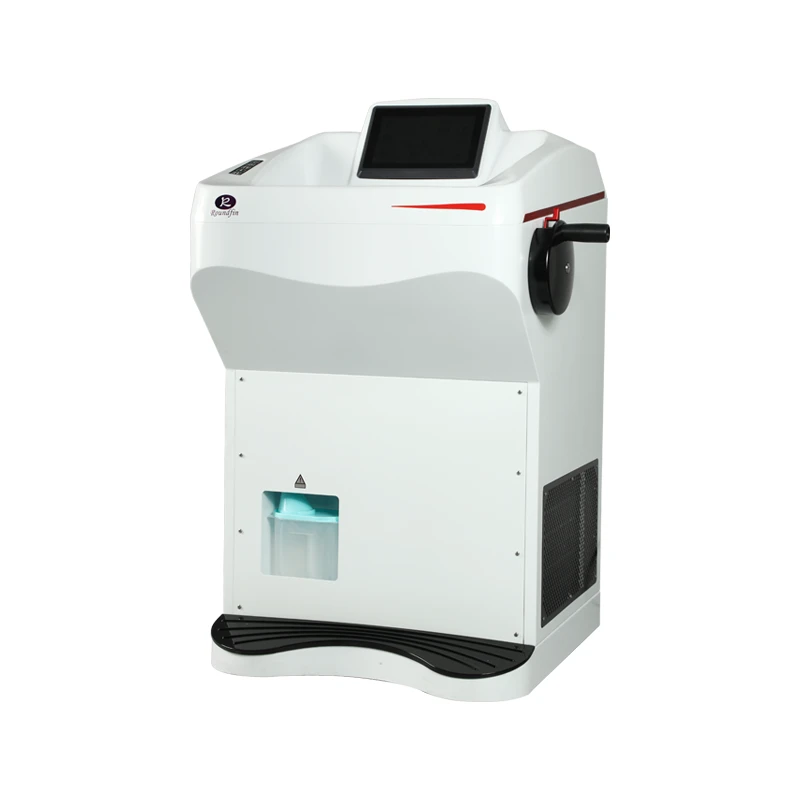
Roundfin supplies pathology and histology equipment for hospital laboratories, diagnostic centers, teaching labs and medical equipment distributors. In addition to tissue flotation bath and slide dryer options, Roundfin can help match related equipment such as rotary microtomes, tissue processors, embedding centers, pathology grossing stations and stainless steel laboratory furniture.
For a new histology laboratory project, share the planned room layout, daily specimen volume, preferred voltage and target delivery schedule. Roundfin can recommend a practical tissue flotation bath and slide dryer configuration that fits the workflow, installation space and purchasing budget.
Final buying checklist
Choose a tissue flotation bath and slide dryer by workflow fit first, then compare temperature control, heating uniformity, capacity, material quality, cleaning access, bench footprint and supplier support. A reliable workstation helps technicians produce smoother sections, prepare slides more consistently and keep the histology process moving.
If you are planning a pathology laboratory, histology teaching room or distributor equipment package, contact Roundfin for model recommendations, quotation support and project-based equipment matching.