Tissue Embedding Center Buying Guide for Pathology Lab Projects
Tissue Embedding Center Buying Guide for Pathology Lab Projects
A tissue embedding center is a daily-use workstation in a histopathology laboratory. The equipment supports paraffin dispensing, mold warming, cassette handling, block cooling and operator workflow, so the buying decision affects specimen quality, turnaround time and long-term maintenance cost. For hospitals, pathology departments, university laboratories and diagnostic centers, the right embedding station should match sample volume, bench layout, operator habits and local electrical conditions.
Roundfin supplies pathology equipment and mortuary equipment for global projects, including embedding centers, microtomes, cryostats, grossing stations and stainless steel laboratory furniture. This guide explains the main purchasing points buyers should review before ordering a tissue embedding center for a new laboratory or equipment replacement project.
Start With Daily Workload and Laboratory Layout
The first question is not only "which model is popular?" but also "how many blocks will the lab process every day?" A small pathology room may need a compact embedding module and cold plate, while a central hospital lab may need a larger paraffin reservoir, a wider heated work surface and a cooling plate that can hold more finished blocks at the same time.
Buyers should estimate the number of tissue cassettes handled per shift, peak workload after weekends or holidays, and whether multiple technicians will share the workstation. A tissue embedding center with insufficient working area may slow down block production even if the heating performance is accurate. A system that is too large may waste bench space in a small laboratory.
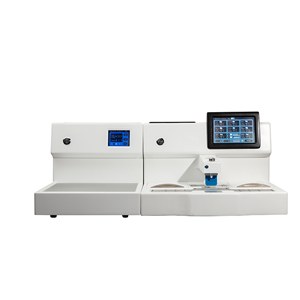
Roundfin's embedding center product category is useful for comparing common configurations, including integrated embedding stations, cooling plates and modular systems for pathology projects.
Check Temperature Control in Each Heated Area
Stable temperature control is one of the most important specifications for a paraffin embedding machine. The wax chamber, paraffin dispenser, thermal storage compartments, forceps wells and heated work plate may each need separate temperature control. Independent control helps technicians keep paraffin melted without overheating molds or creating unstable wax flow.
When reviewing a quotation, ask whether the tissue embedding center provides multiple heating zones and whether those zones work independently. Also check the temperature range, display method and control precision. A clear digital display is helpful when staff need to check the wax tank, dispensing tube and work surface quickly during a busy shift.
Why Temperature Stability Matters
Poor temperature control can cause workflow issues such as wax that is too viscous, over-softened tissue blocks, slow solidification, or extra rework before microtomy. For labs that process many specimen types, stable temperature settings help standardize embedding quality across different operators and different shifts.
Evaluate Cooling Plate Capacity and Performance
The cooling plate is just as important as the heated embedding module. After tissue orientation and paraffin filling, blocks must cool quickly and evenly before trimming and sectioning. A cooling plate that cannot reach the required temperature or cannot hold enough blocks may create a bottleneck between embedding and microtomy.
Buyers should compare minimum temperature, block capacity, cooling uniformity and whether the cooling plate can operate separately from the embedding console. Separate operation can be useful when the laboratory wants flexible placement or staged workflow between technicians.
For example, the Roundfin RD-98 Tissue Embedding Center and Cooling Plate includes a main console and cold plate configuration, with a large working capacity suitable for laboratories that need efficient daily specimen processing.
Review Ergonomics for Long Operating Hours
Histology technicians may work at the embedding station for long periods, so ergonomic details should be part of the buying checklist. The paraffin outlet should be easy to reach. The heated work area should support comfortable hand movement. Forceps wells, cassette trays, mold warming areas and waste collection should be positioned logically.
A foot pedal for wax dispensing can improve control and reduce hand fatigue during repetitive embedding tasks. LED lighting around the work area can also help technicians see tissue orientation more clearly. If the lab handles high sample volumes, a well-designed tissue embedding center can reduce operator strain and maintain steady output.
Questions to Ask Before Ordering
Ask whether the work surface is easy to clean, whether the wax outlet has flow adjustment, whether the unit includes a foot pedal, and whether the control panel is simple for new staff to learn. These details may look small in a brochure, but these details affect everyday productivity.
Compare Safety and Maintenance Features
A pathology lab should consider safety features before confirming an embedding station order. Overheating protection, wax level monitoring, anti-scald design, clear alarm functions and safe electrical design all help reduce operational risk. Paraffin systems run at elevated temperatures, so a reliable temperature protection mechanism is essential for daily laboratory use.
Maintenance access is another practical point. Buyers should ask how the wax chamber is cleaned, whether the work surface resists corrosion, whether the cooling module requires special servicing, and whether spare parts can be supplied quickly. A tissue embedding center that is easy to clean and maintain will support longer service life and lower downtime.
Match the Model to the Complete Histology Workflow
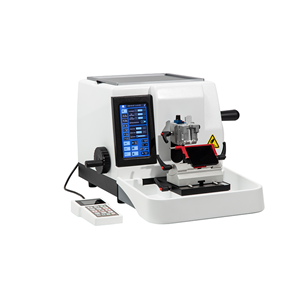
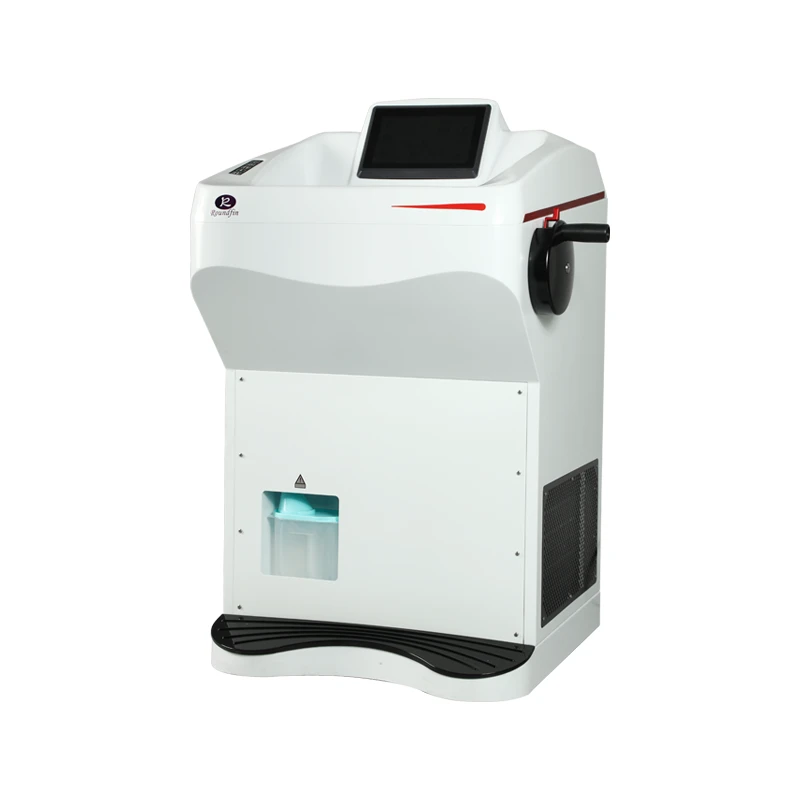
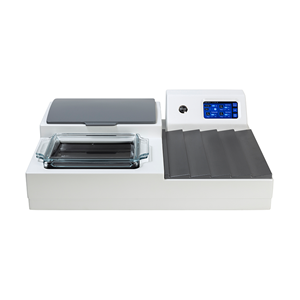
A tissue embedding center rarely works alone. Most pathology labs also need tissue processors, microtomes, flotation baths, slide dryers, slide stainers, cryostats or grossing stations. When buying equipment for a new lab, the embedding station should be selected as part of the complete histology workflow.
For higher-capacity or more automated workflows, buyers can compare models such as the Roundfin RD-98 PRO Tissue Embedding Station, which is designed around precise temperature control, rapid cooling and efficient paraffin block production. Labs comparing modular configurations may also review the Roundfin RD-BM,BL III Tissue Embedding Center for programmable control, multiple heated areas and cold plate options.
Project buyers should also think about bench dimensions, power supply, ventilation, technician movement and future expansion. Selecting compatible equipment at the planning stage can prevent installation problems after the shipment arrives.
Ask for Documentation, Packing and After-Sales Support
For international procurement, documentation and shipping protection are part of the equipment value. Before placing an order, ask for specifications, product photos, user manual availability, packing method, lead time and after-sales response process. If the equipment is part of a tender or hospital project, the supplier may also need to provide company documents, product certificates or technical data sheets.
Roundfin has previously shared shipment cases for histology equipment, including a tissue embedding station shipment for a global client. Such shipment records help buyers understand how equipment is packed and delivered for overseas laboratory projects.
Final Buying Checklist
Before confirming a tissue embedding center order, review the daily sample volume, paraffin chamber capacity, number of independent heating zones, cooling plate temperature, block capacity, foot pedal availability, operator ergonomics, safety protection, cleaning access, power requirements and supplier support. A good embedding station should support consistent tissue orientation, smooth paraffin dispensing and efficient transition from embedding to microtomy.
For pathology labs, hospitals and distributors planning a histology equipment purchase, Roundfin can help compare embedding center models and match the workstation with related pathology instruments. Contact Roundfin to request a quotation, technical data sheet or project recommendation for tissue embedding centers, microtomes, cryostats and other pathology laboratory equipment.